
English
- English
- беларускі
- Hrvatski
- Тоҷикӣ
- O'zbek
- Español
- Português
- русский
- Français
- 日本語
- Deutsch
- tiếng Việt
- Italiano
- Nederlands
- ภาษาไทย
- Polski
- 한국어
- Svenska
- magyar
- Malay
- বাংলা ভাষার
- Dansk
- Suomi
- हिन्दी
- Pilipino
- Türkçe
- Gaeilge
- العربية
- Indonesia
- Norsk
- تمل
- český
- ελληνικά
- український
- Javanese
- فارسی
- தமிழ்
- नेपाली
- български
- ລາວ
- Latine
- Қазақша
- Euskal
- Azərbaycan
- Slovenský jazyk
- Lietuvos
- Eesti Keel
- Română
- Slovenski
- Srpski језик

News
Industry News
 18 2026-09
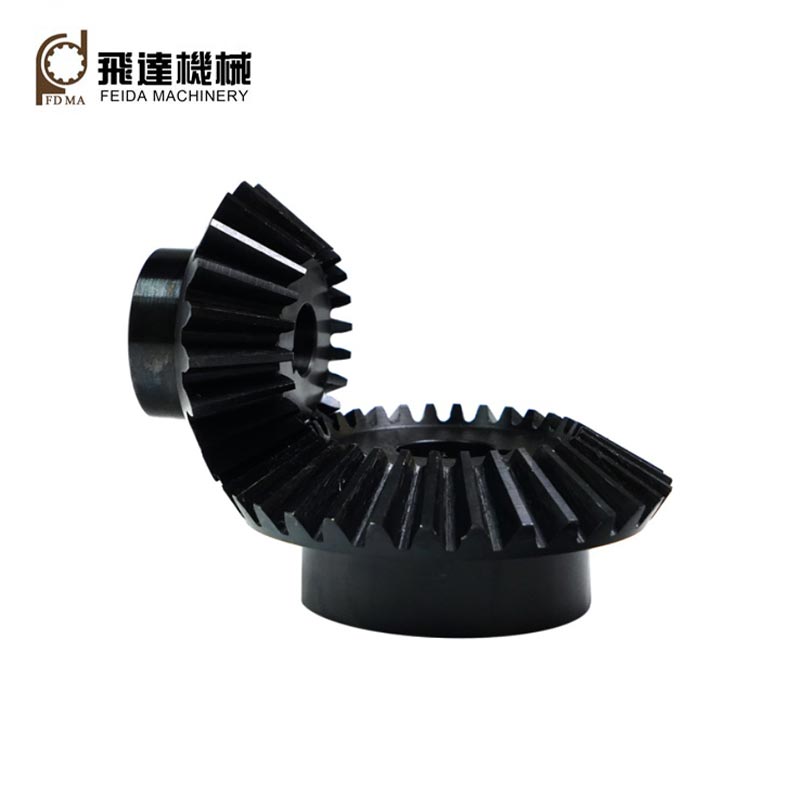
What Makes Metal Straight Bevel Gears Reliable for Industrial Power Transmission?
Metal Straight Bevel Gears are compact mechanical components designed to transmit rotary motion and torque between intersecting shafts, commonly where a change in transmission direction is required. Their straight tooth geometry gives them a relatively simple construction and makes them suitable for many industrial mechanisms where dependable power transfer, compact installation, controllable manufacturing cost, and straightforward maintenance are important.
 07 2026-09
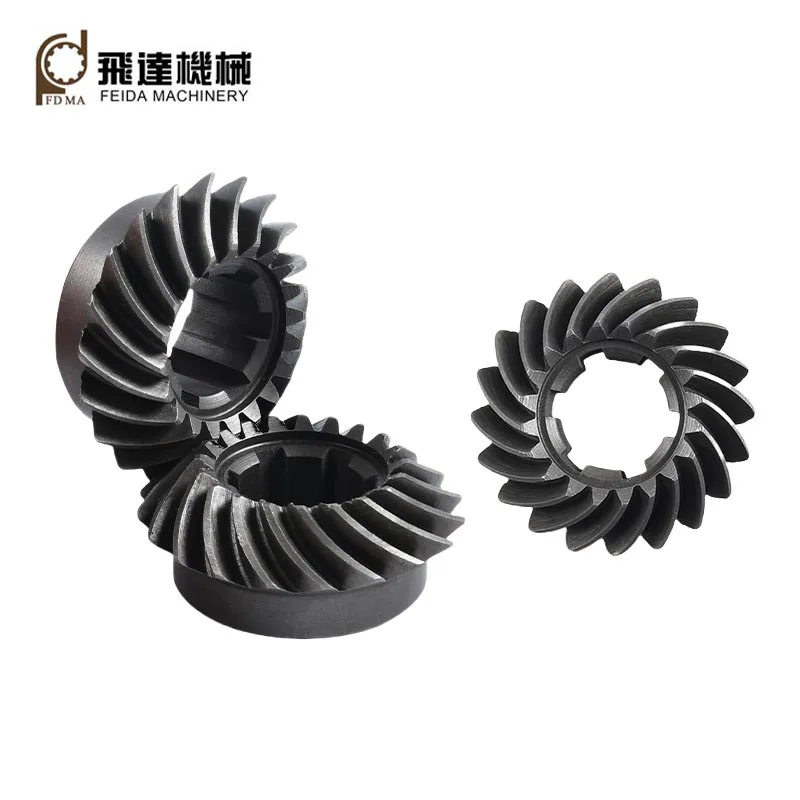
How Do Spiral Bevel Gears Improve Power Transmission in Demanding Machinery?
Spiral bevel gears are precision transmission components designed to transfer rotational power between intersecting shafts while providing smooth, reliable and efficient operation. Compared with conventional straight bevel gears, their curved tooth geometry allows gradual tooth engagement, helping reduce vibration, operating noise and impact loads. This makes them particularly valuable in industrial gearboxes, automotive systems, material-handling equipment, machine tools, agricultural machinery and other applications where compact construction and dependable torque transmission are essential.
 02 2026-09
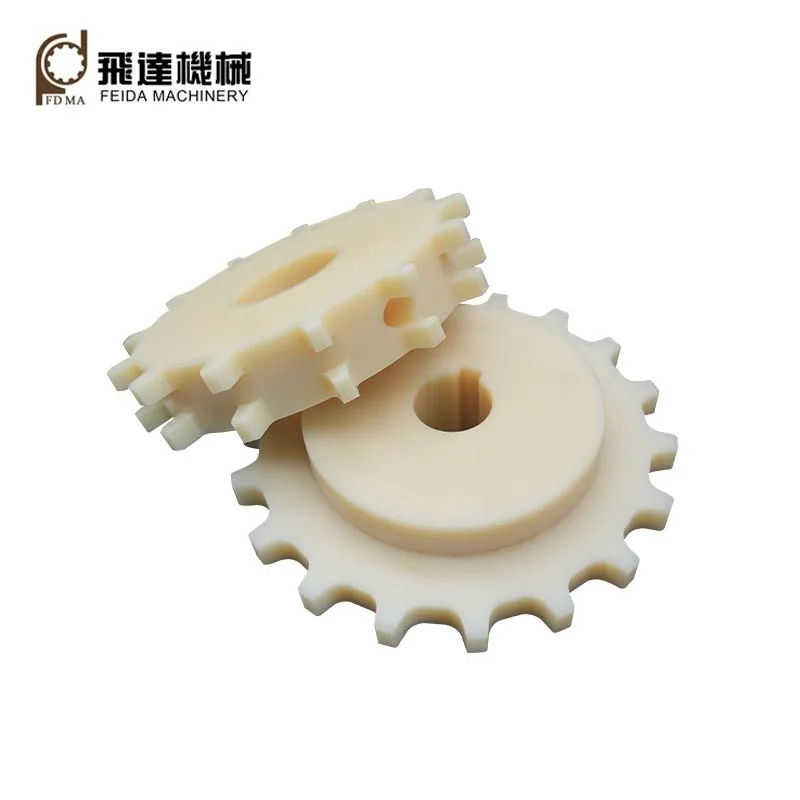
What Makes Sprocket Gears Essential for Reliable Power Transmission?
Sprocket gears are essential mechanical components used to transfer rotary motion and mechanical power through chain-driven systems. Unlike conventional gears that directly mesh with one another, sprocket gears engage with the links of a chain, creating a positive and dependable transmission connection. They are widely used in conveyors, agricultural machinery, industrial equipment, packaging systems, motorcycles, bicycles, and many other mechanical applications.
 26 2026-08
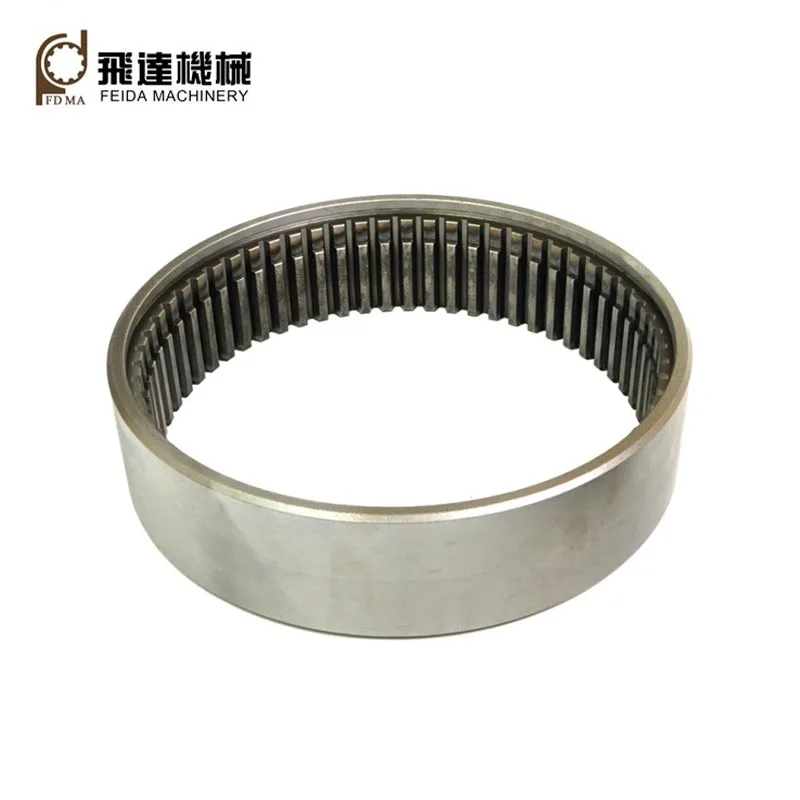
How Do Internal Gears Improve Precision and Power Transmission?
Internal gears are precision transmission components in which the teeth are formed on the inside surface of a ring-shaped gear. When paired with an external gear, planetary gear, or pinion, they can deliver compact power transmission, high torque capacity, smooth engagement, and efficient use of installation space. However, choosing the wrong tooth profile, material, manufacturing tolerance, lubrication method, or mating gear can lead to noise, accelerated wear, backlash, and premature failure.
 21 2026-08
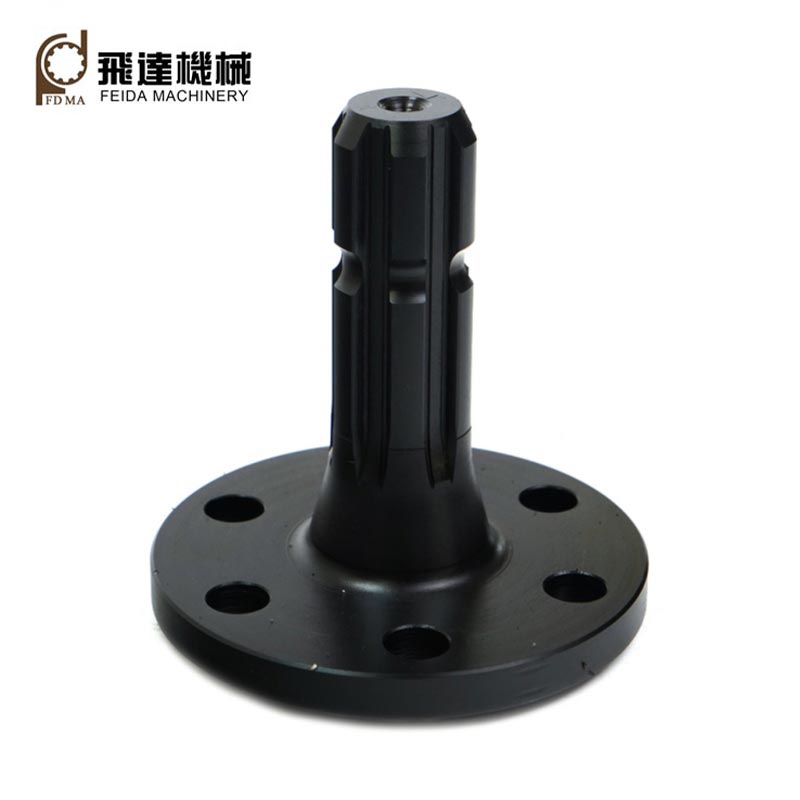
What costly downstream failures stem from overlooked spline‑shaft manufacturing process gaps?
Feida‑Machining Rectangular Spline Shaft service integrates pre‑production DFM review, post‑heat‑treatment precision finishing and full‑batch material‑performance documentation, mitigating fatigue fracture, audit barriers and prototype‑rework risks for cross‑border machinery manufacturers.
 18 2026-08
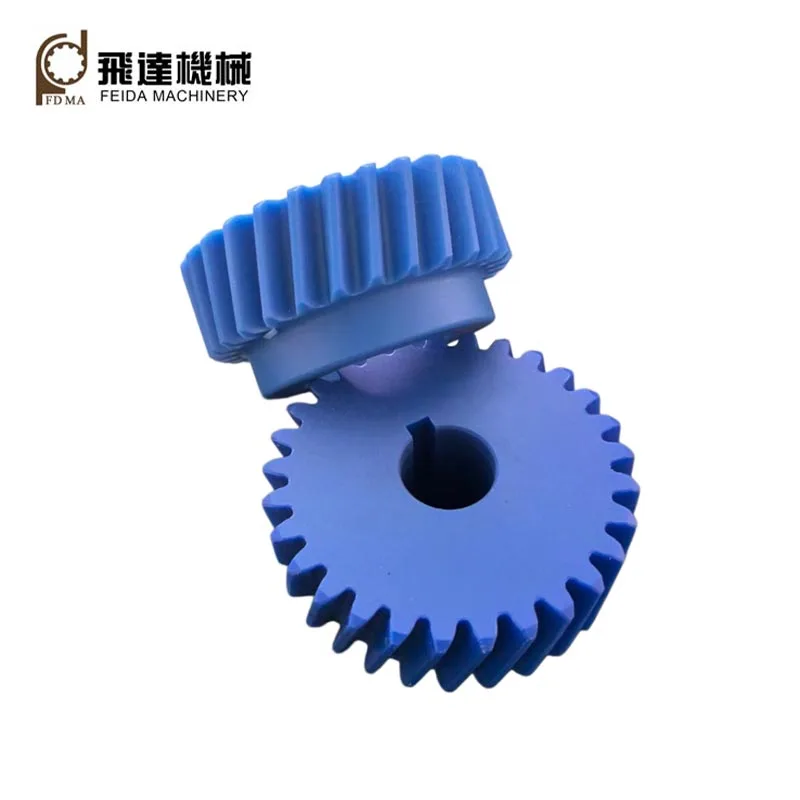
Why Are Plastic Helical Gears Becoming a Reliable Choice for Modern Mechanical Systems?
Plastic helical gears are increasingly used in modern machinery because they offer a combination of lightweight design, smooth operation, corrosion resistance, and cost efficiency. Compared with traditional metal gears, plastic helical gears provide unique advantages for applications requiring quiet performance, reduced maintenance, and flexible manufacturing. This article explains how plastic helical gears work, their key benefits, common challenges, selection considerations, and how manufacturers such as Jinjiang Feida Machinery Co., Ltd. help customers achieve reliable transmission solutions.