English
- English
- беларускі
- Hrvatski
- Тоҷикӣ
- O'zbek
- Español
- Português
- русский
- Français
- 日本語
- Deutsch
- tiếng Việt
- Italiano
- Nederlands
- ภาษาไทย
- Polski
- 한국어
- Svenska
- magyar
- Malay
- বাংলা ভাষার
- Dansk
- Suomi
- हिन्दी
- Pilipino
- Türkçe
- Gaeilge
- العربية
- Indonesia
- Norsk
- تمل
- český
- ελληνικά
- український
- Javanese
- فارسی
- தமிழ்
- नेपाली
- български
- ລາວ
- Latine
- Қазақша
- Euskal
- Azərbaycan
- Slovenský jazyk
- Lietuvos
- Eesti Keel
- Română
- Slovenski
- Srpski језик

News
What Makes Sprocket Gears Essential for Reliable Power Transmission?
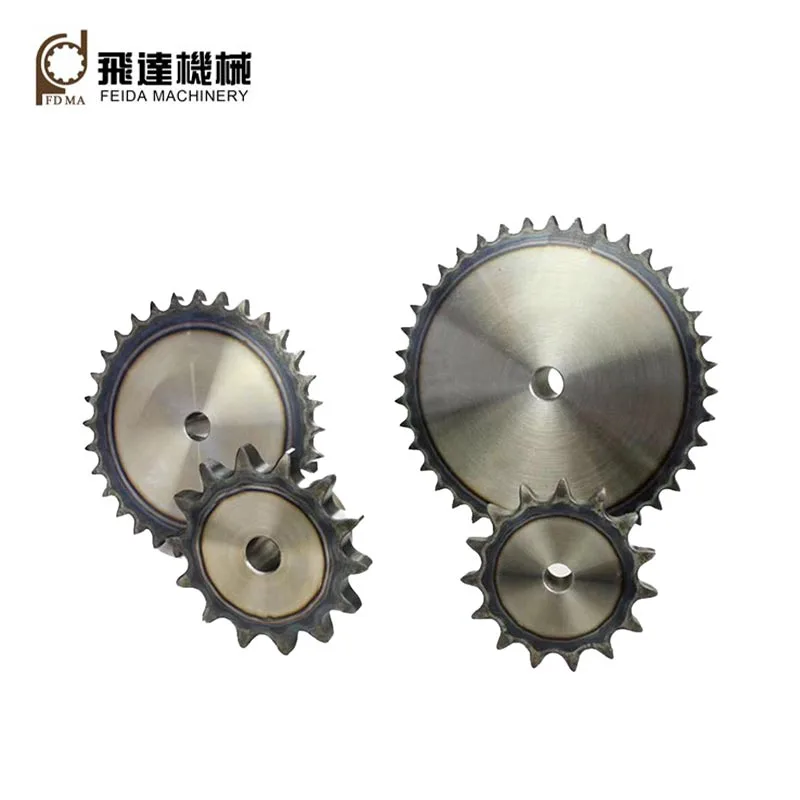
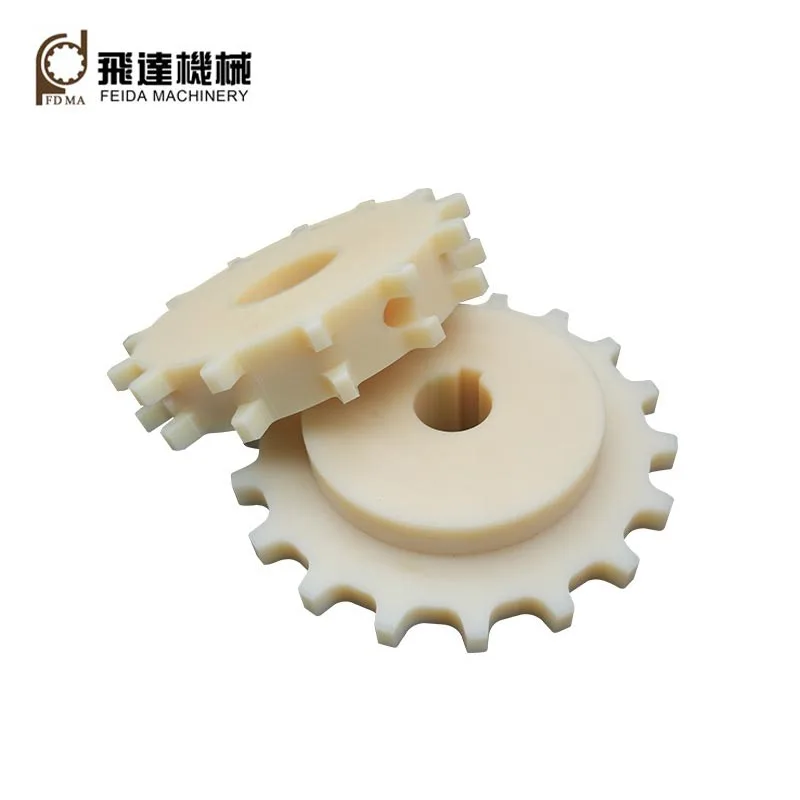
Sprocket gears are essential mechanical components used to transfer rotary motion and mechanical power through chain-driven systems. Unlike conventional gears that directly mesh with one another, sprocket gears engage with the links of a chain, creating a positive and dependable transmission connection. They are widely used in conveyors, agricultural machinery, industrial equipment, packaging systems, motorcycles, bicycles, and many other mechanical applications.
Choosing the right sprocket gear requires more than simply matching the outside diameter. Pitch, tooth profile, bore size, material, chain compatibility, operating speed, load capacity, lubrication, and environmental conditions all influence service life and transmission efficiency. This guide explains the key considerations buyers, engineers, and equipment manufacturers should understand when selecting sprocket gears for new equipment or replacement applications.
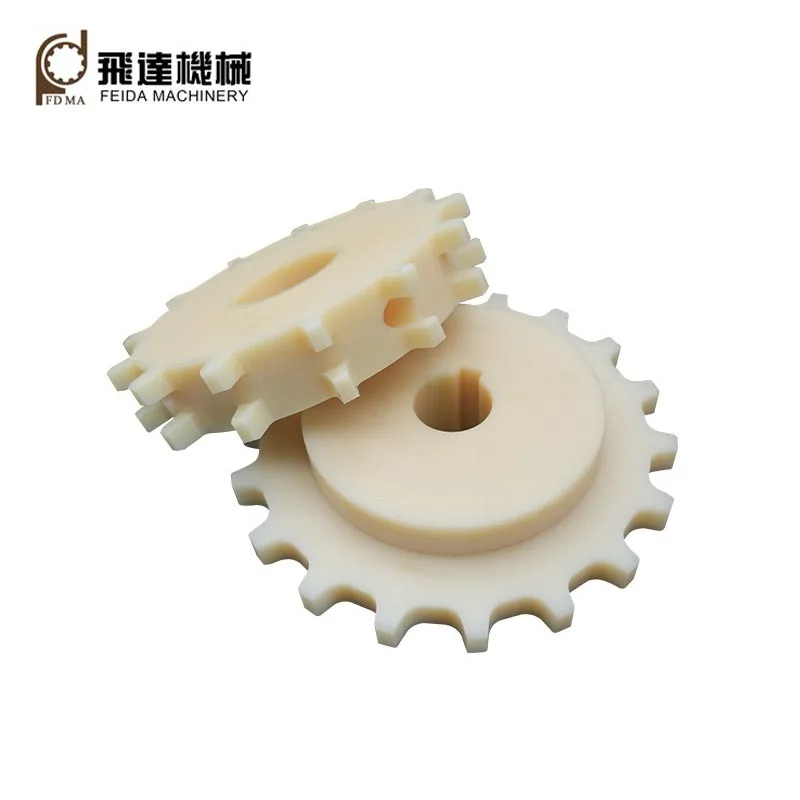
Table of Contents
- What Are Sprocket Gears?
- How Sprocket Gears Work
- Key Features and Construction
- Common Applications of Sprocket Gears
- Materials Used for Sprocket Gears
- Important Selection Factors
- Sprocket Gears vs. Conventional Gears
- Maintenance and Troubleshooting
- What Buyers Should Check Before Ordering
- Frequently Asked Questions
- Final Thoughts
What Are Sprocket Gears?
Sprocket gears are toothed mechanical components designed to engage with a chain and transmit rotational movement. The teeth fit into the spaces between chain links, allowing torque to move from a driving shaft to a driven shaft. This positive engagement distinguishes sprocket systems from friction-based transmission mechanisms.
A typical sprocket gear may consist of a central bore, hub, body, and precisely machined teeth. Depending on the equipment, sprockets can be manufactured as simple plate-style components or as larger hubbed designs intended for heavy-duty applications.
In industrial machinery, properly engineered sprocket gears help maintain predictable motion while handling demanding operating conditions. Their relatively simple construction also makes them practical for equipment that requires regular replacement or maintenance.
How Sprocket Gears Work
The operating principle is straightforward. A driving sprocket is connected to a rotating shaft. As the sprocket turns, its teeth engage with the chain rollers or chain links. The chain moves around the sprocket and transfers the mechanical force to another sprocket connected to a driven shaft.
The relationship between sprocket size and chain speed directly affects the transmission system. A smaller driving sprocket can produce a different speed and torque relationship compared with a larger sprocket. Engineers therefore need to consider the number of teeth and the intended transmission ratio when designing machinery.
Practical point: A sprocket should always be matched with the correct chain specification. Even a high-quality sprocket can experience accelerated wear if the chain pitch, roller diameter, tooth profile, or alignment is unsuitable.
Key Features and Construction
Although sprocket gears may appear simple, several dimensional and structural details determine whether a component will operate reliably.
| Feature | Function | Why It Matters |
|---|---|---|
| Teeth | Engage with the chain | Influence smooth operation and wear |
| Pitch | Defines chain-to-sprocket compatibility | Incorrect pitch can prevent proper engagement |
| Bore | Connects sprocket to shaft | Must match shaft dimensions and mounting method |
| Hub | Provides mounting support | Important for heavy loads and shaft stability |
| Tooth Profile | Controls chain engagement | Affects noise, vibration, and service life |
Common Applications of Sprocket Gears
The versatility of chain transmission makes sprocket gears suitable for many mechanical systems. Their ability to transmit substantial loads without relying on friction is especially useful in industrial environments.
Conveyor Systems
Sprockets drive conveyor chains and help move materials through manufacturing and logistics facilities.
Agricultural Machinery
Chain-driven systems are commonly used in equipment exposed to demanding loads and outdoor conditions.
Packaging Equipment
Sprocket systems support synchronized movement in automated production and packaging lines.
Industrial Machinery
They are used in material handling, processing, assembly, and other mechanical transmission systems.
Sprockets are also found in motorcycles, bicycles, compact machinery, lifting equipment, food-processing machinery, and specialized automation systems.
Materials Used for Sprocket Gears
Material selection has a direct influence on wear resistance, load capacity, corrosion resistance, dimensional stability, and overall service life. The correct choice depends on the application rather than simply selecting the hardest available material.
| Material | Typical Advantages | Suitable Conditions |
|---|---|---|
| Carbon Steel | Strength, machinability, cost efficiency | General industrial applications |
| Alloy Steel | Higher strength and wear resistance | Heavy-duty transmission systems |
| Stainless Steel | Corrosion resistance | Moisture-sensitive and hygienic environments |
| Engineering Plastics | Low weight and reduced noise | Light-duty and specialized applications |
Important Selection Factors
Selecting sprocket gears based only on visual dimensions is one of the most common causes of premature transmission problems. Buyers and engineers should evaluate the complete operating environment before placing an order.
- Chain Compatibility: Confirm chain series, pitch, roller dimensions, and other relevant specifications.
- Number of Teeth: Select the appropriate tooth count according to speed, torque, and transmission ratio requirements.
- Bore and Shaft Dimensions: Check bore diameter, keyway, set-screw requirements, and mounting configuration.
- Load Capacity: Consider continuous load, peak load, shock loading, and starting torque.
- Operating Speed: High-speed systems may require careful attention to tooth geometry, balance, lubrication, and alignment.
- Environmental Conditions: Dust, water, chemicals, temperature, and outdoor exposure can affect material selection.
- Surface Treatment: Heat treatment or protective coatings may improve wear or corrosion resistance when appropriate.
- Dimensional Accuracy: Proper machining is essential for consistent chain engagement and stable operation.
Buyer checklist: Before ordering, prepare the chain model, pitch, tooth count, bore diameter, hub dimensions, keyway details, material requirements, quantity, and application conditions. Providing complete information allows a manufacturer to evaluate compatibility more accurately.
Sprocket Gears vs. Conventional Gears
Sprocket gears and conventional gears both transmit mechanical power, but they operate differently and are suited to different system designs.
| Characteristic | Sprocket System | Conventional Gear System |
|---|---|---|
| Transmission Medium | Chain | Direct gear engagement |
| Distance Between Shafts | Can accommodate relatively greater center distances | Usually suited to closer shaft arrangements |
| Slip | Minimal under proper chain engagement | Minimal with correct gear meshing |
| Maintenance | Chain tension, lubrication, and alignment required | Gear lubrication and alignment required |
For applications requiring flexible shaft positioning or relatively long center distances, chain-and-sprocket transmission can be a practical solution. Direct gears may be more suitable where compact installation, precise positioning, and high-speed operation are primary concerns.
Maintenance and Troubleshooting
Even accurately manufactured sprocket gears can suffer premature wear when the transmission system is poorly maintained. A preventive maintenance routine should address both the sprocket and the chain.
- Inspect tooth wear: Hooked, sharpened, or uneven teeth can indicate excessive wear or chain-related problems.
- Check chain tension: Excessive slack or over-tension can increase mechanical stress.
- Verify alignment: Misaligned sprockets can cause uneven loading and accelerated chain wear.
- Maintain lubrication: Appropriate lubrication reduces friction and helps control wear.
- Inspect mounting: Loose fasteners, damaged keyways, or shaft movement should be corrected promptly.
- Replace worn components together when necessary: Installing a new sprocket with a severely worn chain may reduce the service life of the new component.
Warning signs: Abnormal noise, vibration, chain jumping, uneven tooth wear, excessive heat, and inconsistent movement should not be ignored. These symptoms may indicate incorrect alignment, insufficient lubrication, improper tension, or component incompatibility.
What Buyers Should Check Before Ordering
Purchasing sprocket gears for industrial machinery is not simply a price comparison. A low-cost component that does not match the chain or operating conditions can result in downtime, repeated replacement, and higher maintenance expenses.
- Ask for complete dimensional specifications.
- Confirm compatibility with the existing or planned chain.
- Check available material and heat-treatment options.
- Verify machining tolerances for critical dimensions.
- Discuss custom bore, keyway, hub, and tooth requirements when necessary.
- Clarify production quantities and packaging requirements for bulk orders.
- Request technical drawings or samples for complicated applications.
- Evaluate the supplier's manufacturing capabilities and quality-control process.
For OEM machinery manufacturers, customized sprocket gears can be particularly valuable. A component can be produced around the equipment's actual shaft dimensions, transmission requirements, installation limitations, and expected working environment instead of forcing the machinery design to accommodate a standard component.
Why Manufacturing Capability Matters
Consistent tooth geometry, accurate pitch dimensions, reliable material control, and stable machining processes are important for sprocket performance. Experienced manufacturers can also help customers determine whether a standard sprocket is appropriate or whether a customized design would better meet the application's requirements.
Jinjiang Feida Machinery Co., Ltd. provides machinery-related manufacturing solutions and can support customers who require sprocket gears and other transmission components for industrial equipment and customized applications.
Frequently Asked Questions
What is the main purpose of a sprocket gear?
A sprocket gear transfers rotational movement and mechanical power through a chain. Its teeth engage with the chain to create positive mechanical transmission between shafts.
How do I know which sprocket fits my chain?
Check the chain series, pitch, roller dimensions, tooth profile requirements, and other applicable specifications. The sprocket must be compatible with the exact chain being used.
Can sprocket gears be customized?
Yes. Depending on the manufacturer's capabilities, sprockets can be customized in areas such as tooth count, bore diameter, keyway, hub dimensions, material, surface treatment, and overall dimensions.
What causes sprocket teeth to wear quickly?
Common causes include an excessively worn chain, incorrect chain tension, poor lubrication, shaft misalignment, excessive loading, unsuitable material, and incorrect sprocket-chain matching.
Are steel sprocket gears suitable for heavy-duty applications?
Steel is widely used for industrial sprockets because of its strength and machinability. For demanding applications, alloy steel and appropriate heat treatment may provide improved wear resistance and load-handling capability.
How can I extend sprocket service life?
Use a compatible chain, maintain correct alignment and tension, provide suitable lubrication, avoid excessive loading, inspect the teeth regularly, and replace severely worn chains and sprockets before they cause secondary damage.
Final Thoughts
Sprocket gears play a fundamental role in chain-driven power transmission systems. Their simple operating principle, positive engagement, flexible installation possibilities, and ability to handle a wide range of loads make them valuable across industrial and mechanical applications.
The key to dependable performance is choosing the sprocket as part of a complete transmission system rather than treating it as an isolated component. Chain compatibility, tooth count, pitch, material, bore dimensions, load, speed, alignment, lubrication, and environmental conditions should all be evaluated before production or replacement.
For OEM projects, replacement components, and customized machinery applications, working with an experienced manufacturer can help reduce compatibility problems and improve long-term operating reliability.
Need Sprocket Gears for Your Machinery?
Whether you need standard sprocket gears, customized transmission components, or OEM solutions, Jinjiang Feida Machinery Co., Ltd. can help you evaluate suitable specifications for your application. Contact us to discuss your requirements, dimensions, material preferences, production quantity, and customization needs.
Contact us today to explore a reliable sprocket gear solution for your machinery.
Related News
- How Do Spiral Bevel Gears Improve Power Transmission in Demanding Machinery?
- How Do Internal Gears Improve Precision and Power Transmission?
- What costly downstream failures stem from overlooked spline‑shaft manufacturing process gaps?
- Why Are Plastic Helical Gears Becoming a Reliable Choice for Modern Mechanical Systems?
- Can in‑house spline production solve machinery OEMs’ costly field‑failure headaches?
- Will full-process integrated gear machining cut overseas reducer manufacturers’ three major hidden procurement losses?
Leave me a message