• Product Design Service

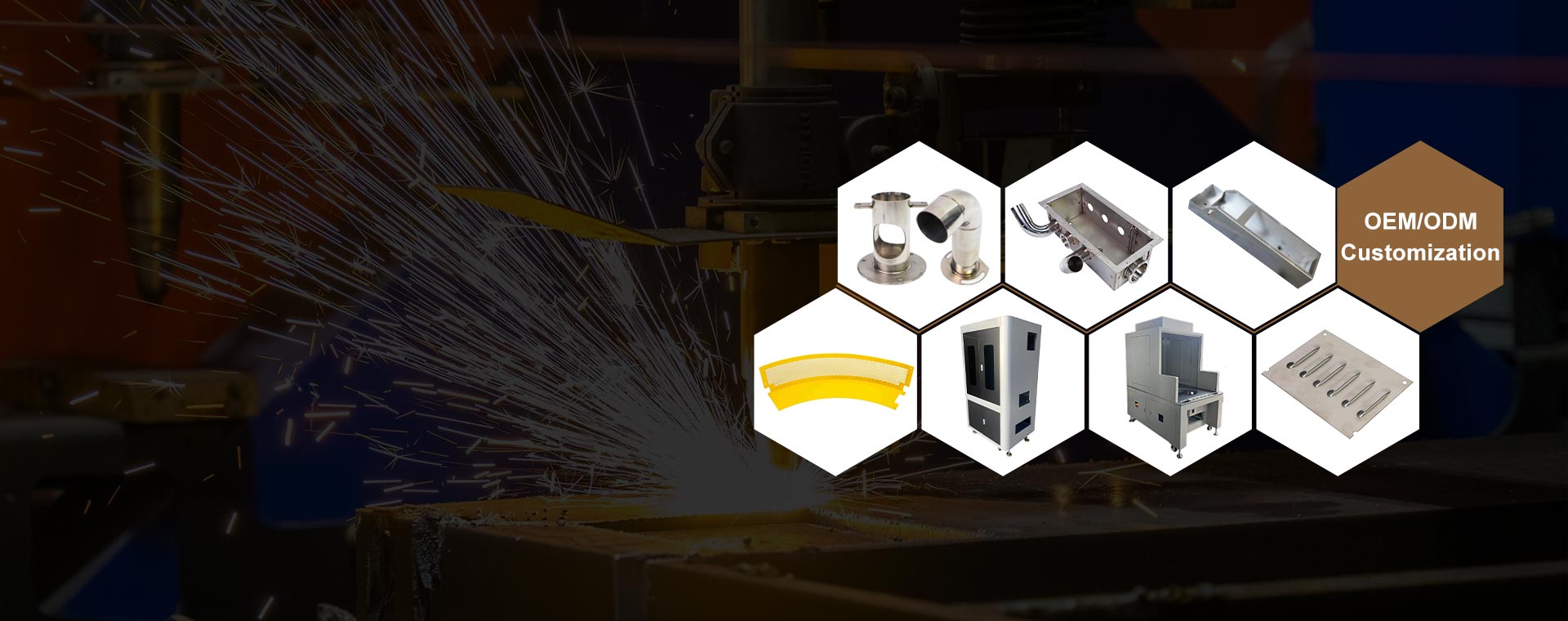
    Feida, a professional China Manufacturer, provides professional design services for mechanical transmission components, OEM machining parts, and sheet metal parts to meet your specific needs.

  • Customized Manufacturing

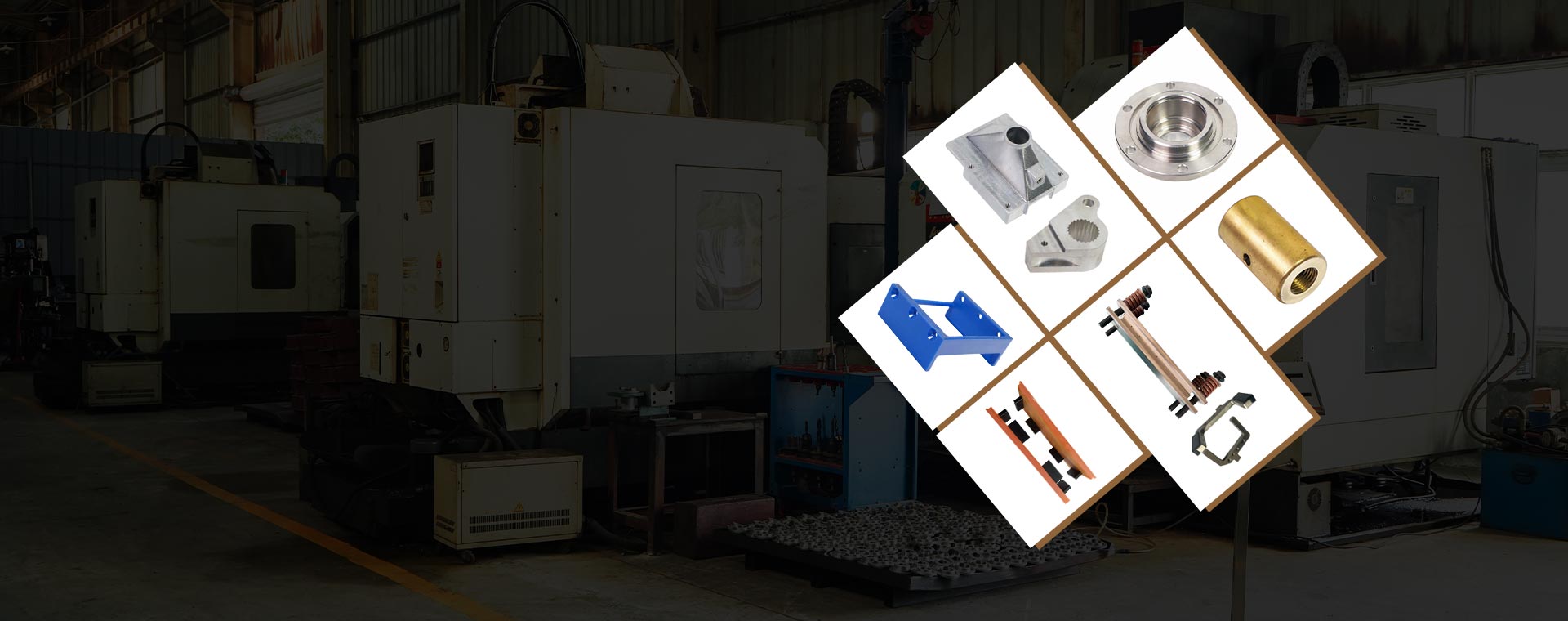
    As a reliable China Factory, we offer customized manufacturing services for CNC machining parts, forging parts, sheet metal parts, and other mechanical components according to your requirements.

  • Bulk Supply Service

    Feida, a trusted China Supplier, provides bulk supply of all our products, ensuring stable delivery and competitive prices for distributors and wholesalers.

  • After-Sales Support

    We adhere to the core value of "the best service", providing timely after-sales guidance and technical support for all products sold by our China Factory.

Product Category

Focus on the research and manufacturing of mechanical transmission components
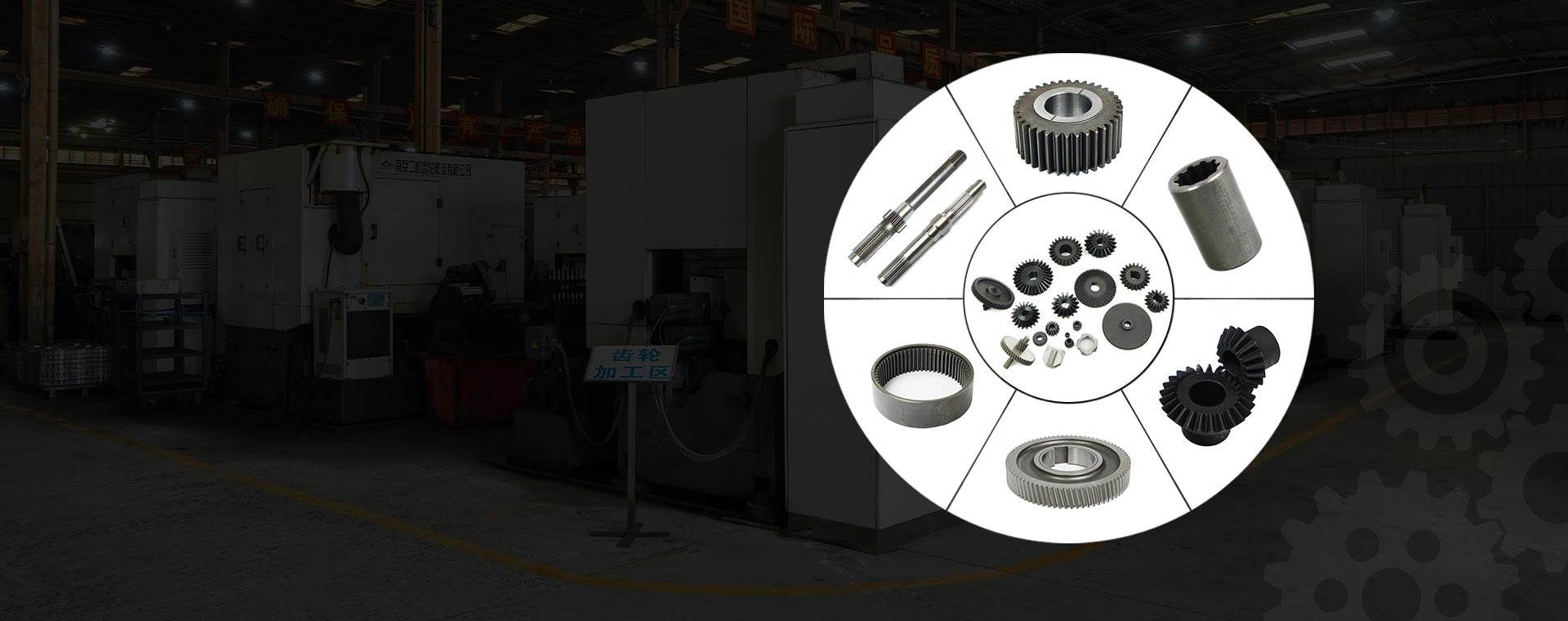
  • Gears
    Gears

    Feida Machinery has more than 30 years of experience in producing transmission gears, which are mechanical components with teeth around their circumference. Gear transmission usually transmits motion and power through the meshing of two or more gears. The core feature of this type of transmission is that it uses meshing teeth to transmit motion and power while enabling changes in rotational speed, torque, and direction of rotation.

    Main Product Types and Characteristics

    Feida gears can be classified into several types according to their structures and applications.

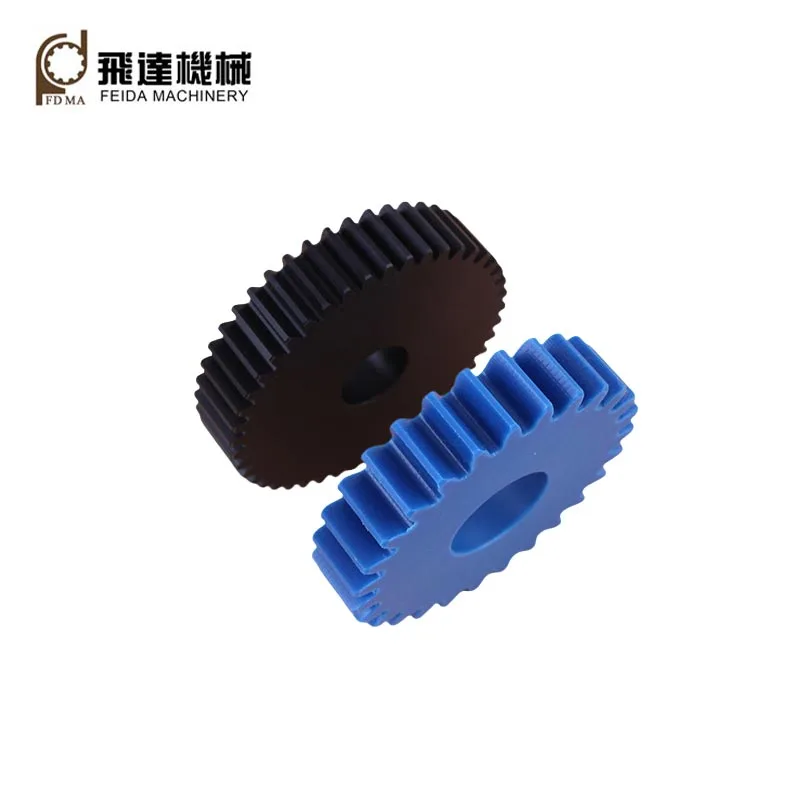
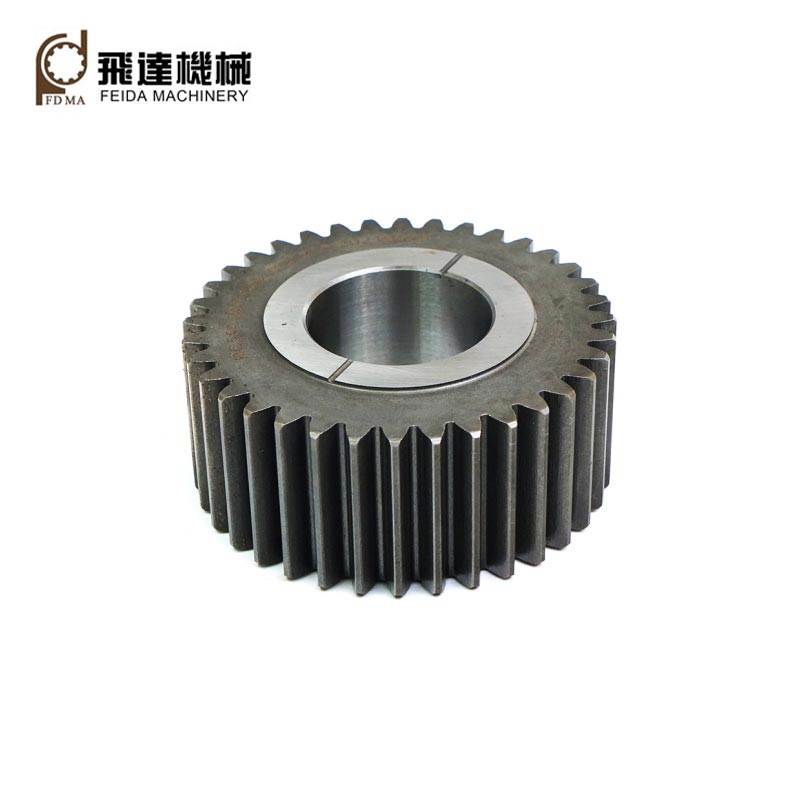
    Spur Gears: Teeth are parallel to the gear axis. They are simple in structure, easy to manufacture, highly efficient, and relatively inexpensive. They are commonly used in ordinary machinery and low-speed transmission systems.
    Helical Gears: The teeth are inclined relative to the gear axis. Compared with spur gears, they generally provide smoother engagement and greater load-carrying capacity.
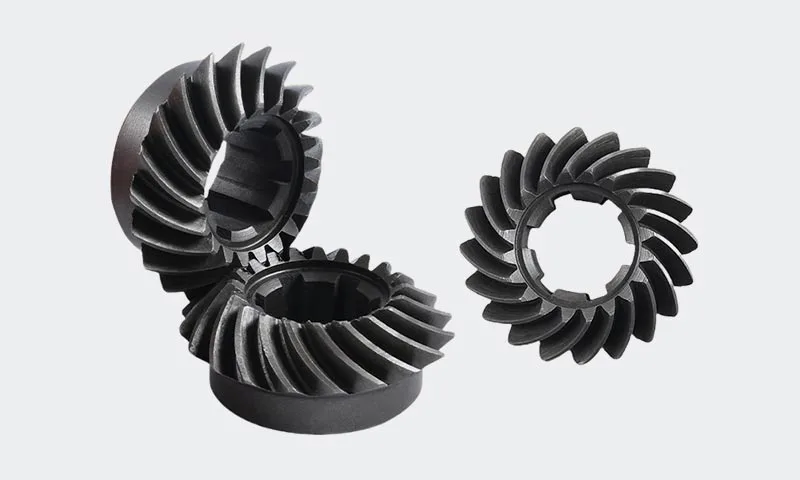
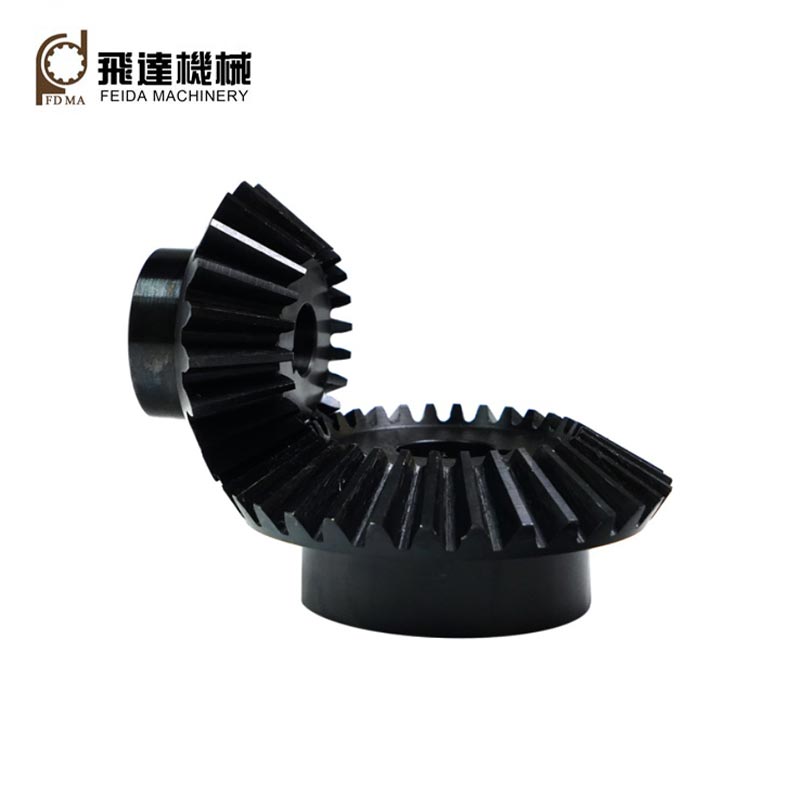
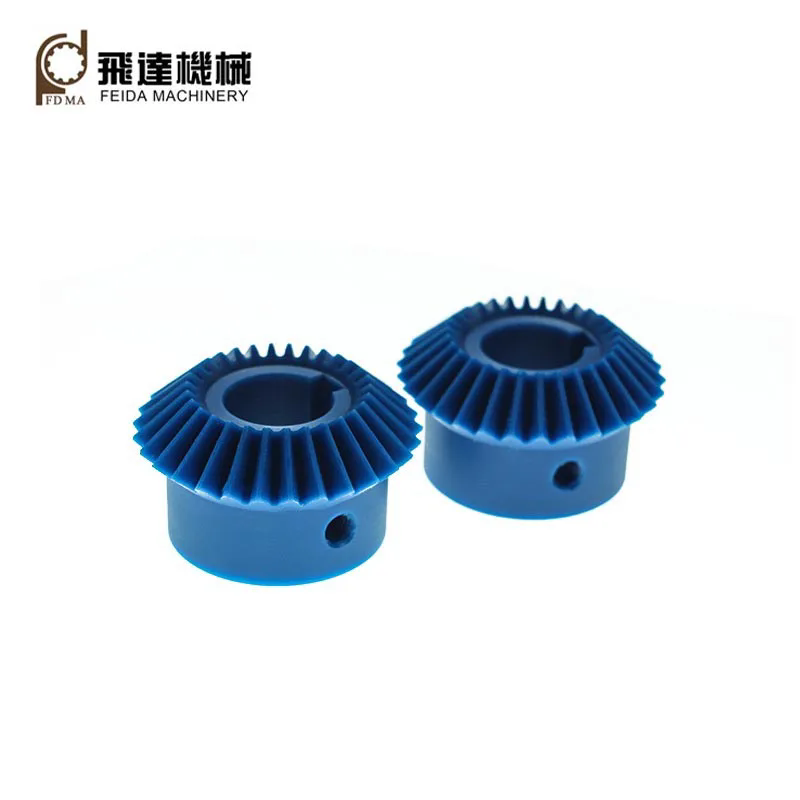
    Bevel Gears: Teeth are arranged on a conical surface. They are mainly used to transmit motion between intersecting shafts and are commonly found in mechanical systems that need to change the direction of power transmission.
    Worm Gears: A worm gear system consists of a worm and a worm wheel. It is suitable for transmitting motion between non-parallel, non-intersecting shafts and is often used when a large reduction ratio is required. They feature large reduction ratios, a compact structure, and, in some designs, a certain degree of self-locking capability.
    Rack and Pinion: A rack is a straight component with teeth arranged in a line. When it meshes with a gear, it can convert rotary motion into linear motion, or linear motion into rotary motion.

    Production Capacity

    At present, Feida has more than 200 pieces of equipment and a professional production team of 150 people, including more than 20 technicians. It has passed the ISO9001 quality management system certification to maintain international quality management standards and provide more reliable guarantees for continuously and stably providing satisfactory products to customers. Our gear manufacturing usually involves material selection, forging or cutting, turning, tooth machining, heat treatment, grinding, and inspection.

    Quality Control

    From raw material selection to the final product, Feida Machinery follows a strict and comprehensive quality control system in accordance with the ISO 9001:2015 standard.

    Material Selection: Only certified and traceable steel, aluminum alloy, brass, and engineering plastic are used, ensuring strength and durability.
    Process Control: Each stage of machining, hobbing, grinding, and finishing is monitored under strict standards
    Inspection and Testing: With various test instruments, every gear undergoes 100% dimensional inspection before leaving our facility.
    Certification: Our processes comply with recognized international standards, ensuring global acceptance

    Each piece is individually checked before dispatch, guaranteeing that clients receive only the highest quality products.

    After-sales Service

    To ensure high-quality after-sales service, Feida's professional engineering team provides online video conferencing support, offering guidance, answering questions, and striving to resolve all customer issues.

    Application Areas

    Automobiles and Transportation

    Gear transmission is also widely used in automobile, motorcycles, bicycles, ships and railway equipment.

    Industrial Machinery and Equipment

    Used in gearboxes, machine tools, conveyor systems, cranes, mixers, and other equipment to transmit power and control rotational speed.

    Robots and Automation Equipment

    Used in robot joints, robotic arms, and servo systems to help control movement precisely and increase output torque.

    Everyday Household Products

    Found in electric screwdrivers, printers, juicers, toy cars, lifting devices, and other products.

    Clocks and precision instruments

    Suitable for mechanical watches, mechanical clocks, measuring instruments, precision equipment, and mechanical transmission systems in cameras.

  • Shafts
    Shafts

    Backed by 30+ years of manufacturing experience, Feida produces shafts in its 45,000-square-meter production base. With high quality and competitive price, our products gain reputation from customers both at home and abroad, and they are exported to Asia, Europe, America, the United States, Germany, the United Kingdom, France, Vietnam, Thailand, etc.

    Main Types

    Feida's shafts are important mechanical components primarily used to support rotating parts, transmit power, and transfer motion. They can be classified into several types according to their loads and functions.

    Axle: Used to support rotating components; classified as a rotating axle or a fixed axle depending on whether it rotates during operation.
    Power Shaft: One of the most common types of shafts in mechanical equipment. Used to support rotating components and transmit power and torque.
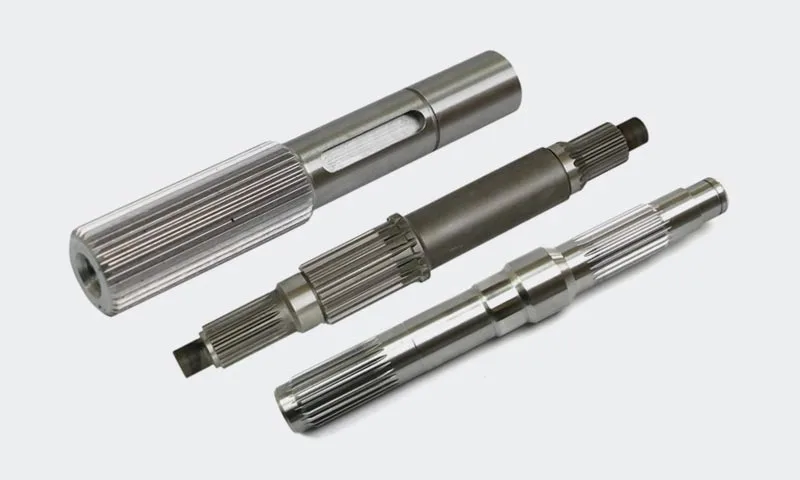
    Transmission Shaft: Used to transmit power and usually subjected to large torsional loads and sometimes to bending loads. Can be further classified into gear shafts and spline shafts.

    Gear shafts: They are important components in mechanical transmission systems, combining the functions of a gear and a shaft. The teeth are machined directly onto the shaft, so the gear and shaft form an integrated unit.
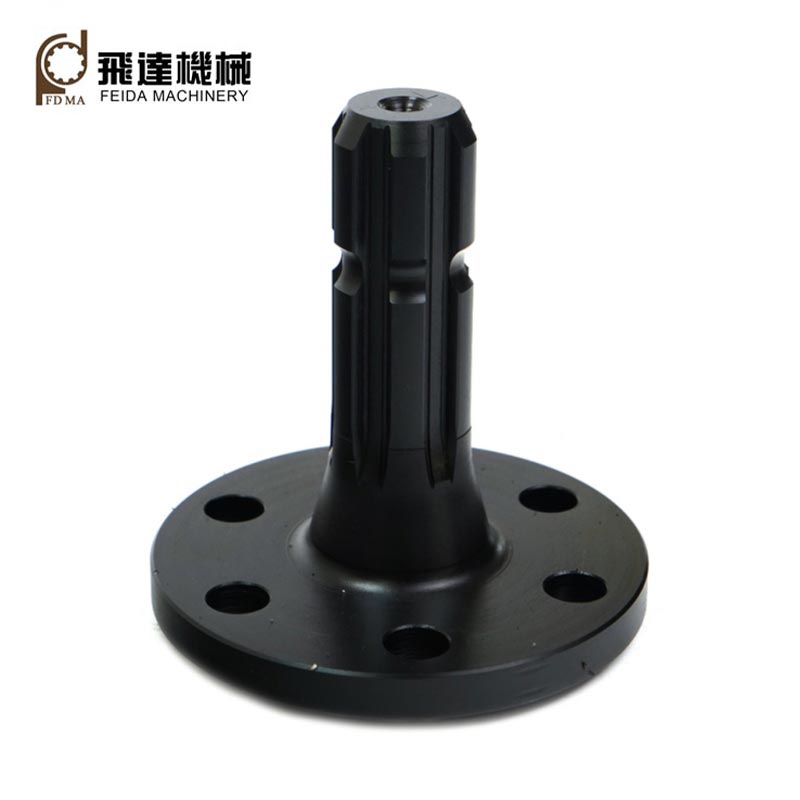
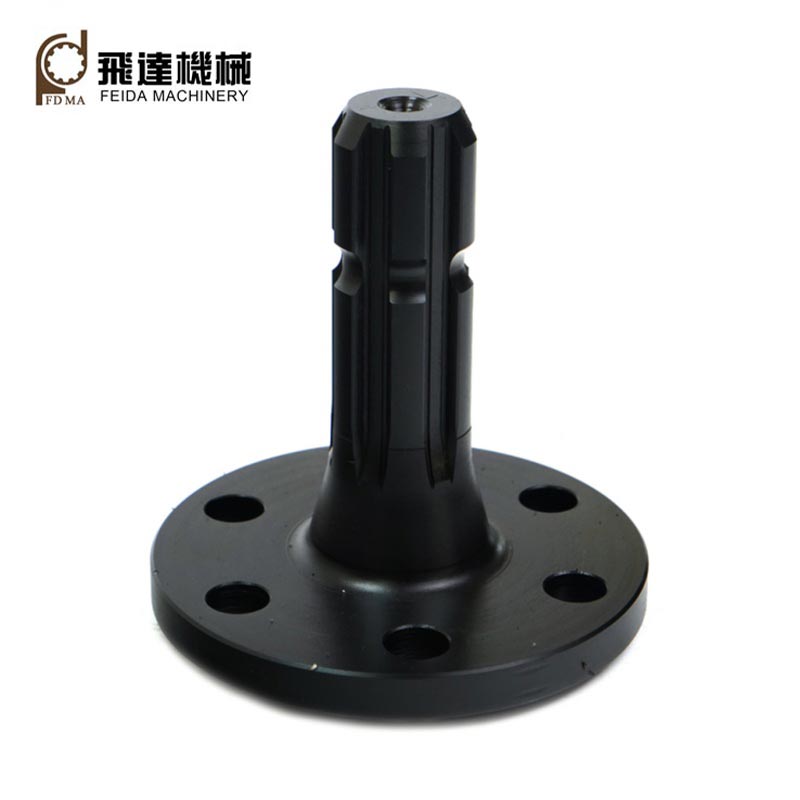
    Spline shafts: They have multiple evenly spaced teeth or ridges machined along their outer circumference. These external splines engage with matching internal splines in a hub, sleeve, or bore to form a mechanical connection capable of transmitting torque

    Quality Control and Customization

    Feida strictly carry out ISO9001 international quality system certificate and are scrupulous about each process detail, Our quantity products have been well accepted by vast customers.

    Customization is available in terms of dimensions, materials, keyways, tolerances, surface finishes, and heat treatments to meet specific application requirements.

    Application Fields

    Automotive industry

    Crankshafts, drive shafts, axles, and camshafts.

    Power equipment

    Motor shafts, generator shafts, and turbine shafts.

    Construction machinery

    Gearbox shafts, hoist shafts, and drive shafts.

    Agricultural machinery

    Tractor transmission shafts and combine harvester shafts.

    Household appliances

    Washing machine motor shafts and fan shafts.

    Automation equipment

    Roller shafts, screw-support shafts, and conveyor roller shafts.

  • Gear Reducers
    Gear Reducers

    Equipped with advanced production facilities and manufacturing processes, Fedia possesses comprehensive testing capabilities and strong technical expertise. Our gear reducers are widely recognized and trusted by customers and exported to over 20 countries. We welcome your consultation and look forward to establishing a long-term and stable cooperative relationship with you.

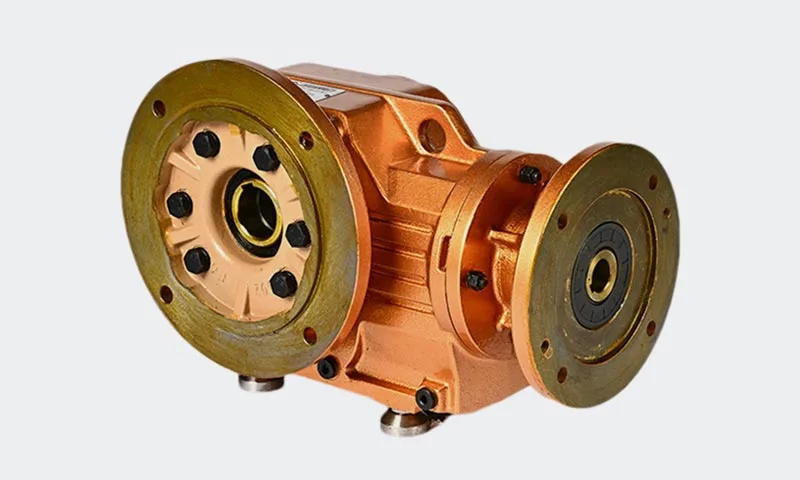
    Feida gear reducers are precision mechanical transmission devices usually installed between a power source (e.g., an electric motor, an internal combustion engine, or a hydraulic motor) and a working machine, converting high-speed, low-torque input into low-speed, high-torque output. They transmit power through the meshing of gears with different numbers of teeth. When a small gear drives a larger gear, the output speed decreases, while the output torgue increases.

    Main Components

    Housing: Supports and protects the internal gears, shafts, and bearings; contains the lubricating oil and helps dissipate heat. Common materials include cast iron, cast steel, and aluminum alloys.
    Gears: Serve as the core transmission components of a reducer; transmit power and achieve speed reduction. Depending on the design and application, gear types may include spur gears, helical gears, herringbone gears, bevel gears, and worm gears.
    Shafts: Support the gears and transmit torque. Common types include input shafts, intermediate shafts, and output shafts. The strength, stiffness, and alignment accuracy of the shafts directly affect the reducer's operating performance.
    Bearings: Support rotating shafts, reduce friction, and withstand radial or axial loads.
    Seals: Prevent lubricant leakage and keep dust, water, and other contaminants from entering the housing.
    Lubrication Oil: Reduces friction and wear between gears and bearings while helping dissipate heat.
    Common Accessories: Include breathers, oil-level indicators, drain plugs, sight glasses, and temperature monitoring devices.

    Main Types

    Our gear reducers can be classified into several types according to their gear structures, transmission methods, and applications. These types include spur, helical, bevel, worm, and planetary gear reducers.

    Overall Production Process & Quality Control

    Feida Machinery implement strict standard production and full-process quality control in its 45,000 m² facility in Jinjiang, China.

    The manufacturing steps:

    Raw Material Procurement and Inspection
    ↓
    Blank Manufacturing
    ↓
    Machining of Gears, Shafts, Housing, and Other Components
    ↓
    Gear Heat Treatment and Precision Finishing
    ↓
    Component Inspection and Cleaning
    ↓
    Assembly
    ↓
    Performance Testing, Painting, and Packaging
    ↓
    Final Delivery

    For full-process quality control, It includes four stages: Incoming material inspection, in-process monitoring, finished product testing, and pre-shipment inspection.

    Customzation Options

    Gear ratio, output torque, speed, mounting configuration, shaft diameter and extension, gear and housing materials, sealing and lubrication, and appearance can be customized.

    Application Areas

    Conveying Equipment

    Used to adjust the operating speed and output torque of belts, chain, and roller conveyors.

    Lifting Machinery

    Used in lifting, traveling, and slewing mechanisms to meet heavy-load and low-speed operating requirements.

    Industrial Robots

    Used in robotic joints to achieve high positioning accuracy, load capacity, and motion-control performance.

    Wind Power Generation

    Used to convert the low-speed rotation of wind turbine rotors into the higher rotational speed required by generators.

    Mixing and Agitation Equipment

    Used to provide low-speed, high-torque power to mixing shafts. Widely used in the chemical, food-processing, and building-materials industries.

    Automated Production Lines

    Used to provide stable and controllable power output for packaging, assembly, sorting, and processing equipment.
  • Cnc Machining
    Cnc Machining

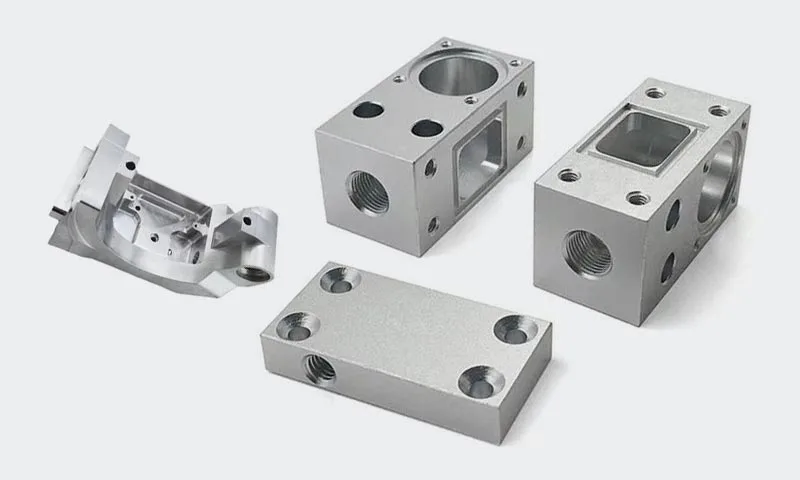
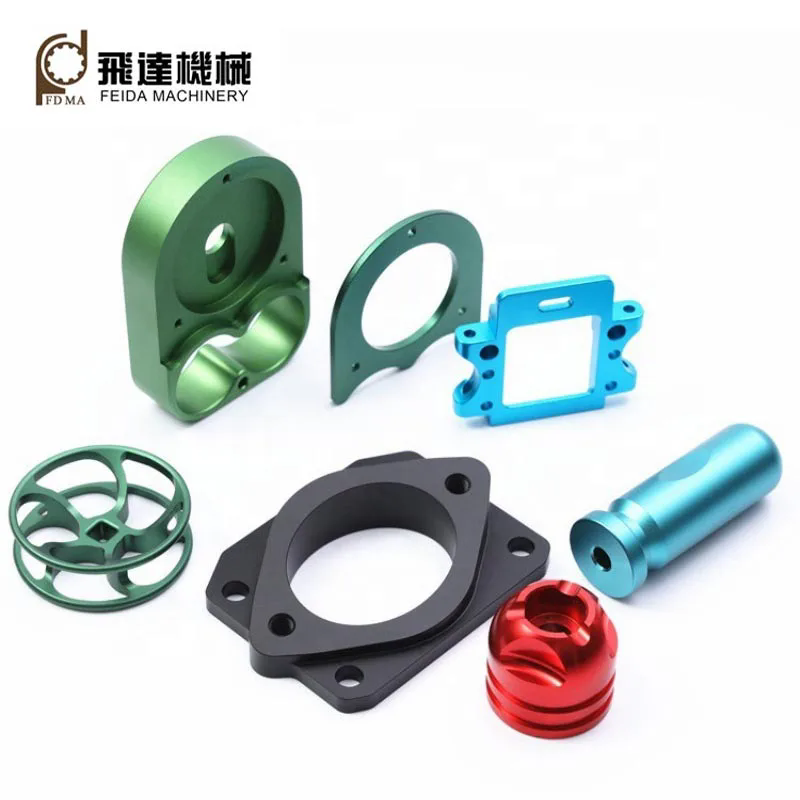
    As a professional manufacturer of cnc machining parts, Feida Machinery can supply a wide range of customized precision cnc machined parts(e.g.,CNC turning parts ,CNC milling parts ,CNC grinding parts ,CNC wire-electrode cutting parts and CNC maching parts with spline ).High quality precision machining parts can meet many applications such as automation equipment, terminal equipment and electrical equipment,etc.Our CNC Machining series includes steel CNC machining, aluminum cnc machining, copper cnc machining, CNC Plastic Machining, etc.


    CNC or Computer Numerical Control machining is a manufacturing process in which pre-programmed computer software dictates the movement of machine tools to cut and shape materials.Therefore,The CNC machine tools can precisely controls the cutting speed, depth, and tool path, resulting in high precision and repeatability in the manufacturing process.


    With years of experience in cnc machining,Feida Machinery can offer a wide variety of machining services ,such as CNC turning,CNC milling,CNC grinding

    CNC wire-electrode cutting,etc.We also offer  a variety of surface treatments to enhance the appearance and durability of your parts,such as electroplating, chrome plating, zinc plating, nickel plating, electrophoresis, anodizing, polishing, sandblasting, passivation, powder coating, painting, etc


    You can rest assured to customize cnc machining products from us because we have strict requirements of raw materials along with full process inspection from raw material to finish. We look forward to cooperating with you!


  • Sheet Metal
    Sheet Metal

    As a professional manufacturer and supplier, Feida Machinery factory would like to provide you sheet metal parts ,cnc machining parts,gears, shafts,etc.

    Same as CNC Machining,sheet metal fabrication is also one of the most popular manufacturing methods in the industry today. It is often used for producing large quantities of parts quickly and cost-effectively.

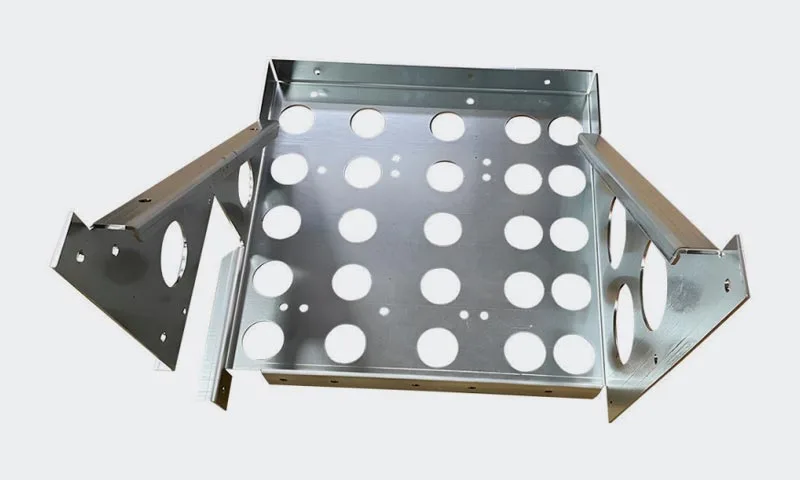
    Feida Machinery uses a set of complex processes to shape and form metal sheets. Fabricating processes  typically include  cutting,bending, finishing,and assembly.

    Besides,We can also offer a variety of surface trearments such as electroplating, anodic oxidation, painting, stoving varnish, polishing, and brushing to enhance the performance of our products.

    Before shipment,all the sheet metal parts have been inspected by our inspection equipment,including mechanical test machines, Material analysis spectrometers, coordinate measuring machines (CMMs), roughness testers, hardness testers, etc.


    As we know,there are several advantages of this technique as below:

    Precision and Accuracy

    Versatility

    Cost-Effectiveness

    Durability


    Therefore,this technique will be used in wide range of applications,such as automation equipment, terminal equipment ,and electrical equipment.

    Our Sheet Metal series includes Sheet Metal Laser Cutting, Sheet Metal Bending, Sheet Metal Welding, etc.

About Us

Jinjiang Feida Machinery Co., Ltd.

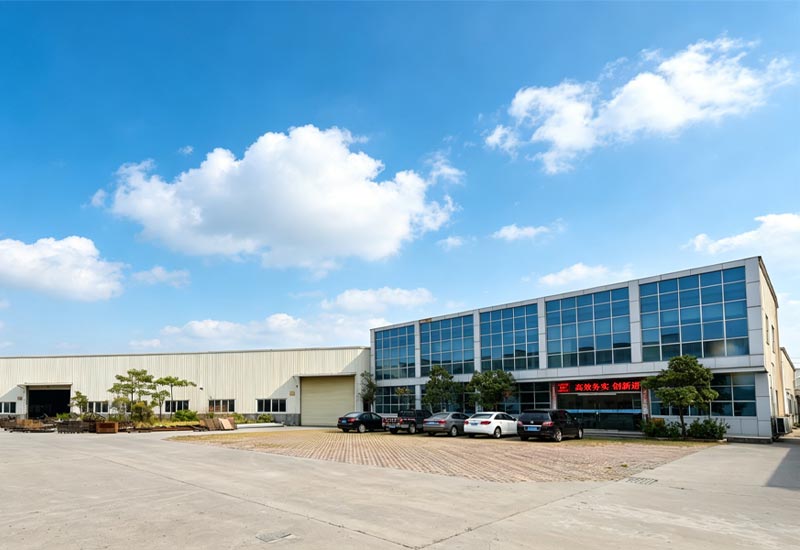
Jinjiang Feida Machinery Co., Ltd. Was founded in 1988 and located in Jinjiang City, Fujian Province, China. During more than 30 years′ development, the company has kept focusing on the design, manufacturing and sales of mechanical transmission components (gears, worms, gear racks, spline shafts, etc.), OEM machining parts, sheet metal parts, forging parts, and customized gear reducers.

Feida has always adhered to the core values of "the most reliable quality and the best service", and continued to improve and optimize ourselves. Now Feida has become a professional and steady growing mechanical parts manufacturing enterprise.

About Us

Send Inquiry

News

The core supplier in the mechanical transmission components industry

What Makes Metal Straight Bevel Gears Reliable for Industrial Power Transmission?

What Makes Metal Straight Bevel Gears Reliable for Industrial Power Transmission?

Metal Straight Bevel Gears are compact mechanical components designed to transmit rotary motion and torque between intersecting shafts, commonly where a change in transmission direction is required. Their straight tooth geometry gives them a relatively simple construction and makes them suitable for many industrial mechanisms where dependable power transfer, compact installation, controllable manufacturing cost, and straightforward maintenance are important.

How Do Spiral Bevel Gears Improve Power Transmission in Demanding Machinery?

How Do Spiral Bevel Gears Improve Power Transmission in Demanding Machinery?

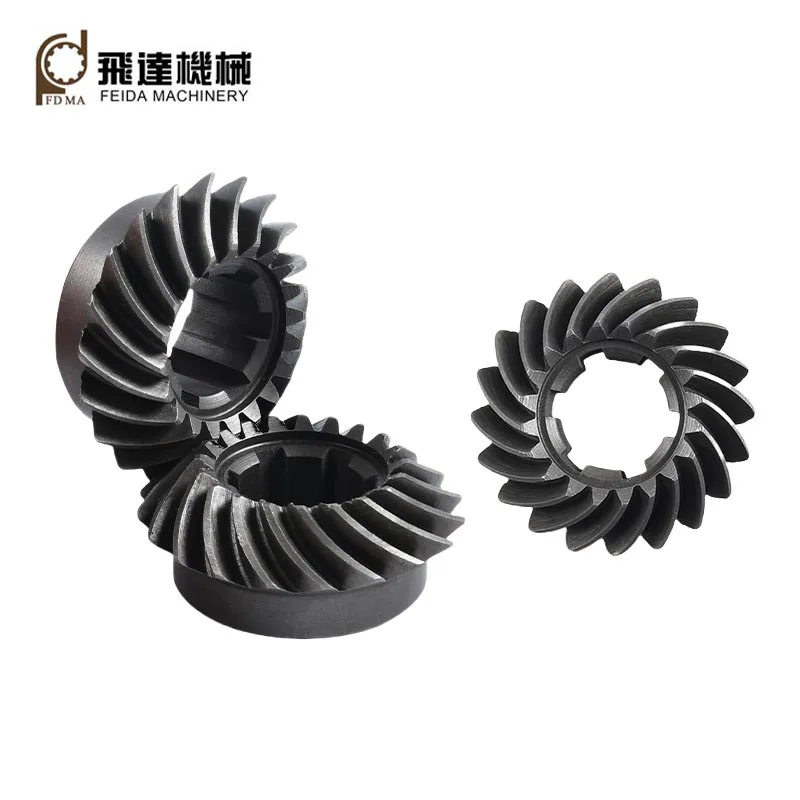
Spiral bevel gears are precision transmission components designed to transfer rotational power between intersecting shafts while providing smooth, reliable and efficient operation. Compared with conventional straight bevel gears, their curved tooth geometry allows gradual tooth engagement, helping reduce vibration, operating noise and impact loads. This makes them particularly valuable in industrial gearboxes, automotive systems, material-handling equipment, machine tools, agricultural machinery and other applications where compact construction and dependable torque transmission are essential.

What Makes Sprocket Gears Essential for Reliable Power Transmission?

What Makes Sprocket Gears Essential for Reliable Power Transmission?

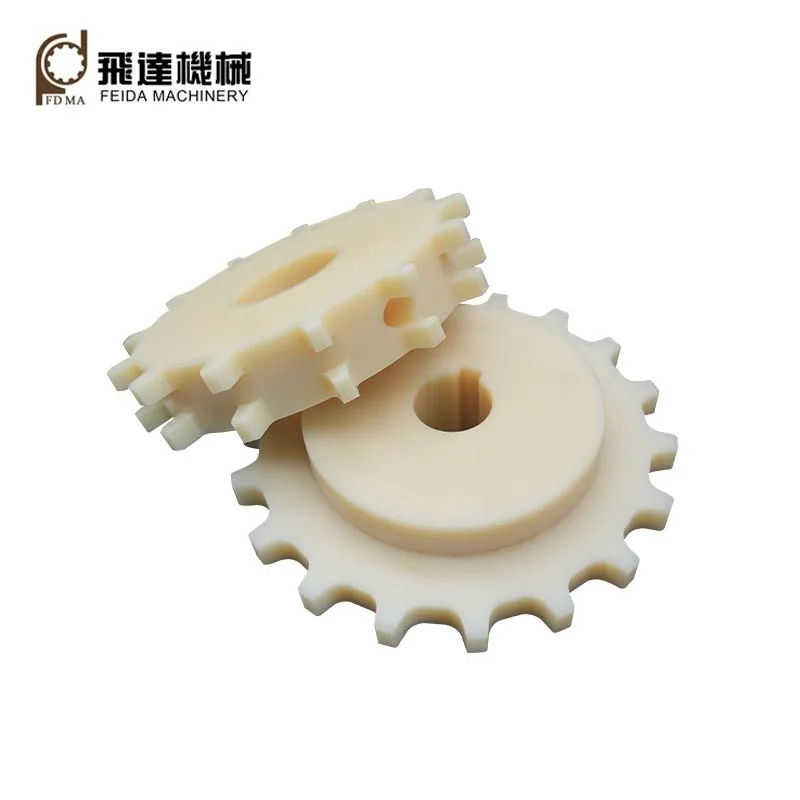
Sprocket gears are essential mechanical components used to transfer rotary motion and mechanical power through chain-driven systems. Unlike conventional gears that directly mesh with one another, sprocket gears engage with the links of a chain, creating a positive and dependable transmission connection. They are widely used in conveyors, agricultural machinery, industrial equipment, packaging systems, motorcycles, bicycles, and many other mechanical applications.

How Do Internal Gears Improve Precision and Power Transmission?

How Do Internal Gears Improve Precision and Power Transmission?

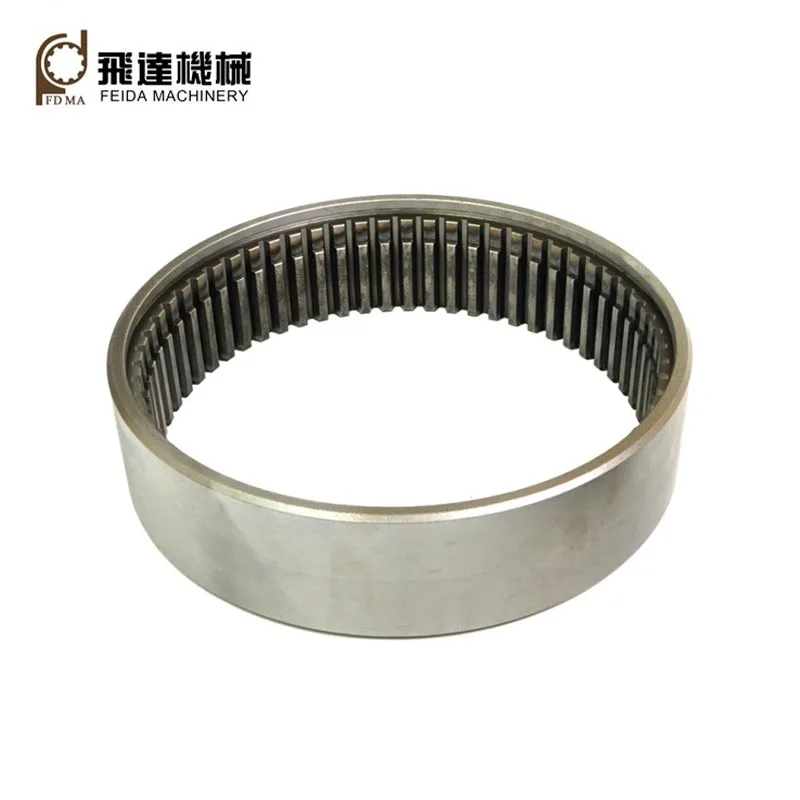
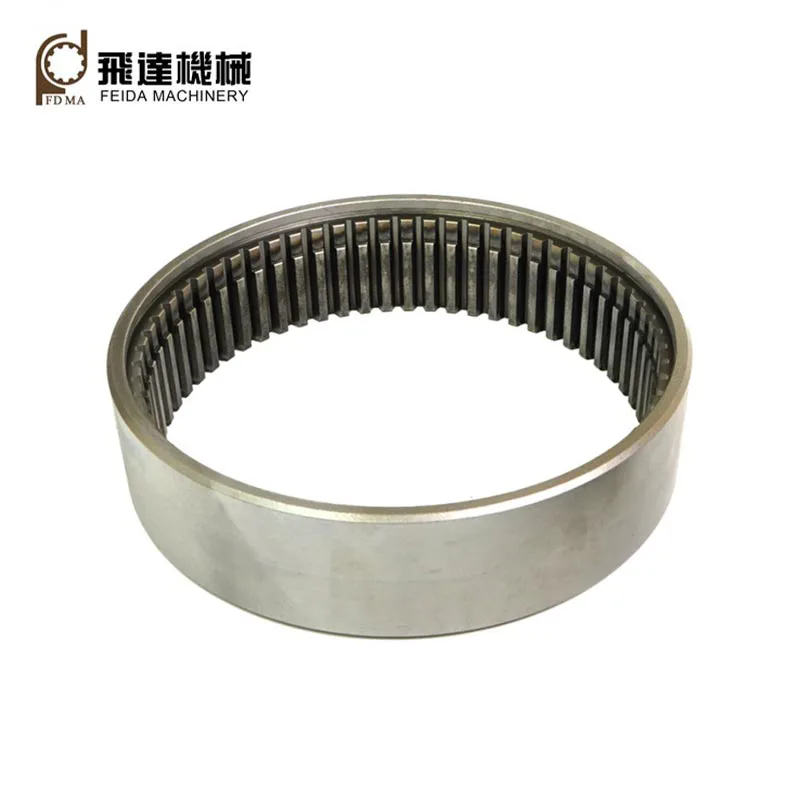
Internal gears are precision transmission components in which the teeth are formed on the inside surface of a ring-shaped gear. When paired with an external gear, planetary gear, or pinion, they can deliver compact power transmission, high torque capacity, smooth engagement, and efficient use of installation space. However, choosing the wrong tooth profile, material, manufacturing tolerance, lubrication method, or mating gear can lead to noise, accelerated wear, backlash, and premature failure.

Why Are Plastic Helical Gears Becoming a Reliable Choice for Modern Mechanical Systems?

Why Are Plastic Helical Gears Becoming a Reliable Choice for Modern Mechanical Systems?

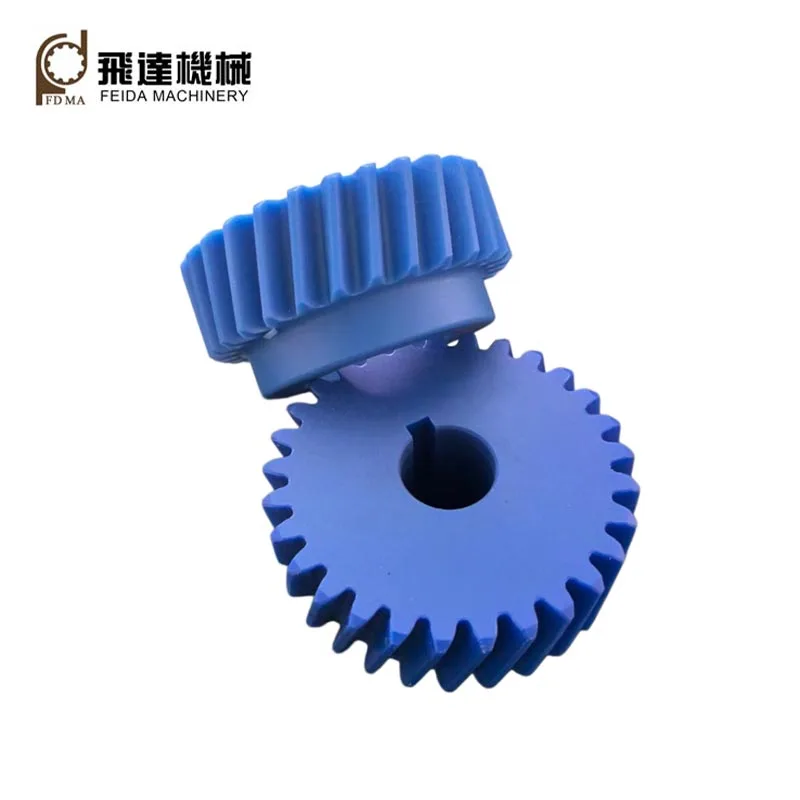
Plastic helical gears are increasingly used in modern machinery because they offer a combination of lightweight design, smooth operation, corrosion resistance, and cost efficiency. Compared with traditional metal gears, plastic helical gears provide unique advantages for applications requiring quiet performance, reduced maintenance, and flexible manufacturing. This article explains how plastic helical gears work, their key benefits, common challenges, selection considerations, and how manufacturers such as Jinjiang Feida Machinery Co., Ltd. help customers achieve reliable transmission solutions.

Can in‑house spline production solve machinery OEMs’ costly field‑failure headaches?

Can in‑house spline production solve machinery OEMs’ costly field‑failure headaches?

Agricultural equipment and power‑tool OEMs across global markets keep running into costly downstream issues when sourcing rectangular spline shafts from multi‑subcontract supply chains. Outsourced thermal processing brings inconsistent hardness that triggers spline‑tooth fracture under heavy alternating torque. Dispersed turning, hobbing and grinding workflows create unstable flank tolerances that lead to assembly‑line jams and rework.

Will full-process integrated gear machining cut overseas reducer manufacturers’ three major hidden procurement losses?

Will full-process integrated gear machining cut overseas reducer manufacturers’ three major hidden procurement losses?

Global planetary reducer OEMs and robotics/aerospace component purchasers continuously face three irreversible hidden costs when sourcing metal internal gears: scattered separate processing factories break production traceability chains, making it impossible to submit complete material and precision test files for third-party factory audits; simple single-layer plastic packaging fails humid long-distance sea transportation, triggering tooth surface rust and dimensional deviation after container arrival; small machining workshops lack full heat treatment and grinding equipment, resulting in unstable tooth precision that raises reducer vibration and field failure rates after assembly.

What Makes Plastic Spur Gears a Reliable Choice for Modern Mechanical Systems?

What Makes Plastic Spur Gears a Reliable Choice for Modern Mechanical Systems?

​Plastic spur gears have become an essential component in many modern mechanical systems due to their lightweight structure, low noise operation, corrosion resistance, and cost efficiency. From automation equipment and consumer electronics to industrial machinery, these gears provide reliable power transmission solutions where traditional metal gears may create unnecessary limitations.

What Makes Spur Gears Essential for Reliable Mechanical Power Transmission?

What Makes Spur Gears Essential for Reliable Mechanical Power Transmission?

​Spur gears are one of the most widely used mechanical transmission components, providing accurate, efficient, and stable power transfer in countless industrial applications. This article explains how spur gears work, their advantages, applications, manufacturing considerations, and how businesses can choose the right gear solutions to overcome challenges such as noise, wear, efficiency loss, and maintenance costs.

Why Plastic Straight Bevel Gears Become Cost-Effective Light-Duty Transmission Solutions For Electronic & Medical Equipment?

Why Plastic Straight Bevel Gears Become Cost-Effective Light-Duty Transmission Solutions For Electronic & Medical Equipment?

Many manufacturers of office equipment, medical devices and small robots are looking for lightweight, low-noise transmission parts to replace expensive metal bevel gears. Conventional metal bevel gears add extra weight to finished products, require regular lubrication and bring higher production costs, which cannot match the lightweight and low-maintenance design direction of consumer electronics and portable medical machinery. With over 30 years of gear manufacturing experience since 1988, Feida Machinery launches high-precision plastic straight bevel gears manufactured by advanced CNC gear processing equipment, solving multiple pain points of light-load transmission through optimized plastic material formulas and conical straight-tooth structural design.