English
- English
- беларускі
- Hrvatski
- Тоҷикӣ
- O'zbek
- Español
- Português
- русский
- Français
- 日本語
- Deutsch
- tiếng Việt
- Italiano
- Nederlands
- ภาษาไทย
- Polski
- 한국어
- Svenska
- magyar
- Malay
- বাংলা ভাষার
- Dansk
- Suomi
- हिन्दी
- Pilipino
- Türkçe
- Gaeilge
- العربية
- Indonesia
- Norsk
- تمل
- český
- ελληνικά
- український
- Javanese
- فارسی
- தமிழ்
- नेपाली
- български
- ລາວ
- Latine
- Қазақша
- Euskal
- Azərbaycan
- Slovenský jazyk
- Lietuvos
- Eesti Keel
- Română
- Slovenski
- Srpski језик

News
Which factory strengths eliminate precision aluminum component batch inconsistency & audit delays?
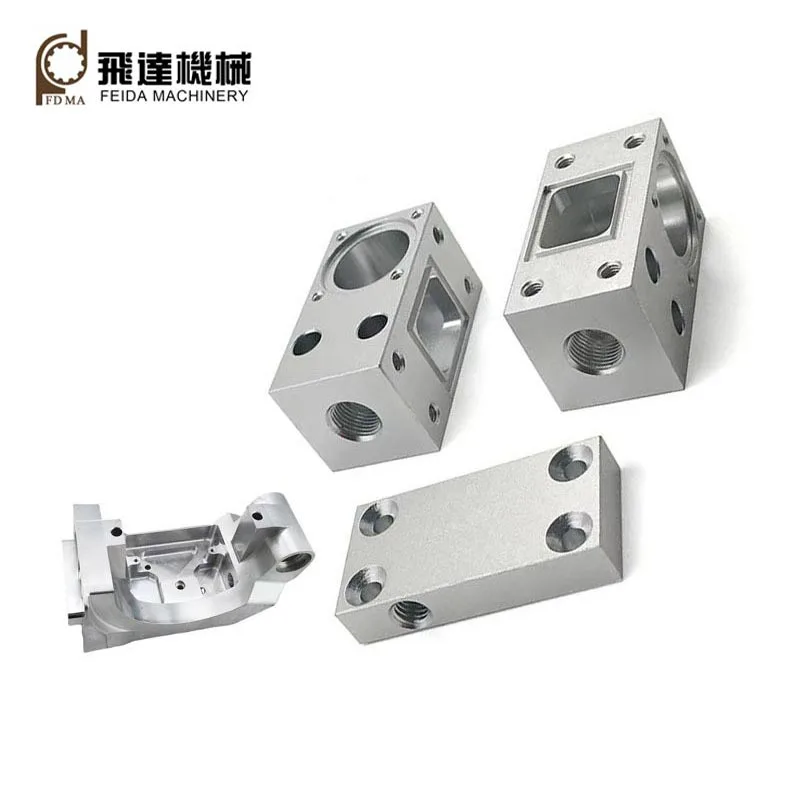
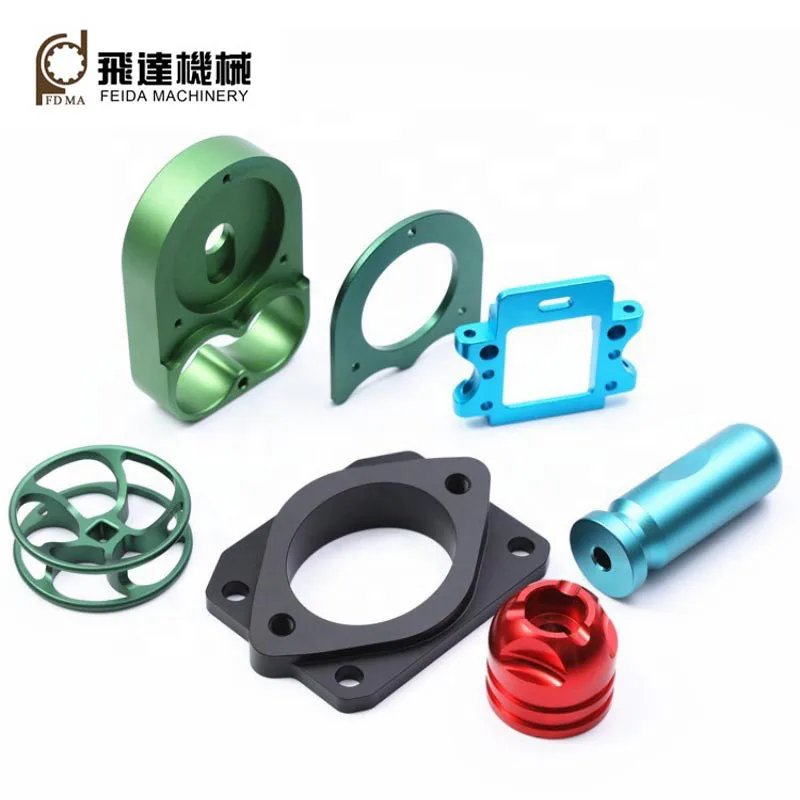
Global automotive tier-one suppliers, aerospace component contractors and electrical equipment developers face two major sourcing risks when cooperating with small CNC workshops: unstable dimensional tolerances lead to mass assembly rework, while incomplete material traceability and inspection documents fail international third-party factory audits. Many small machining plants outsource surface finishing to external vendors, causing inconsistent anodizing color and plating thickness across batches, and they lack unified logistics packaging solutions that trigger scratch damage during long-distance sea transport. Feida’s integrated full-process aluminum CNC machining system combines self-owned finishing production lines, complete precision testing equipment and standardized traceability management, resolving batch quality fluctuation and cross-border audit document shortage challenges for high-end manufacturing buyers.
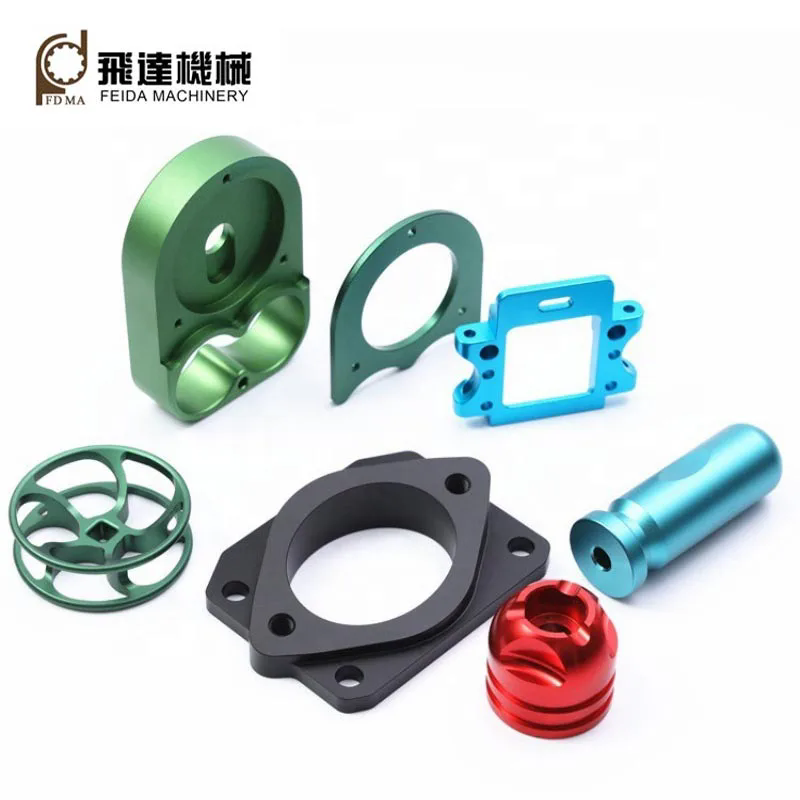
1. In-house full surface treatment lines cut cross-batch surface appearance deviation
Most small CNC manufacturers only complete blank machining and outsource electroplating, anodizing and powder coating to scattered subcontractors. Different workshop processing parameters create obvious color difference, uneven coating thickness and micro-porous bubbling defects on aluminum parts, which cannot pass aerospace and EV component appearance inspection standards. Feida operates independent finishing workshops covering nickel/chrome plating, multi-color anodizing, QPQ and sandblasting processes; all surface craft parameters are unified under internal QC standards. Every batch of aluminum alloy parts undergoes uniform coating thickness testing, eliminating chromatic aberration and peeling issues caused by outsourced processing, stabilizing finished product surface consistency for long-term mass orders.
2. Complete precision testing apparatus lock ultra-tight tolerance control across mass production
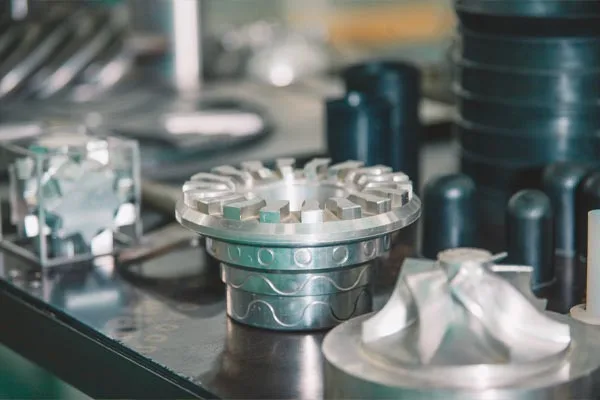
Trading companies and miniature machining shops only rely on simple calipers for dimensional measurement, unable to detect micron-level deviation during continuous batch production. For aerospace and new energy vehicle aluminum parts requiring ±0.005mm minimum tolerance, tiny dimensional drift will cause assembly jamming and sealing leakage after shipment. The factory equips full sets of CMM coordinate measuring machines, surface roughness testers and alloy spectrometers. Each finished component undergoes full sampling dimensional and material composition testing, recording real-time tolerance data in production files, ensuring every batch meets ISO 2768 precision standards and avoids overseas batch rejection losses.
3. Full material heat number traceability system simplifies international audit document submission
Many CNC suppliers fail to archive aluminum alloy raw material test certificates and melt heat numbers, unable to provide complete MTC material trace reports required by EU automotive and aerospace auditors. Auditing teams will suspend order cooperation if raw material composition records are missing. Feida implements whole-chain traceability management from aluminum billet warehousing to finished product delivery. Each batch retains alloy spectral test data, heat number labels and mechanical performance test records. All audit documents can be sorted and exported within one working day, speeding up supplier qualification review progress for overseas manufacturing clients.
4. Classified anti-scratch packaging scheme reduces transit component scrap rate
Generic carton-only packaging without targeted protection leads to scratch, collision and oxidation damage during multi-modal sea, rail and air transportation, especially for thin-wall precision aluminum workpieces. The factory develops differentiated packaging solutions according to part shapes: rust-proof paper, flexible mesh bags, bubble buffer and solid wooden cases are matched separately for complex structural parts, thin sheet components and large-size alloy workpieces. Custom pallet consolidation avoids extrusion friction in containers, cutting transit damaged parts ratio significantly for cross-border bulk shipments.
5. Large-scale integrated workshop supports multi-industry mixed order synchronous production
Small processing factories only deploy limited CNC equipment, unable to undertake mixed orders covering aerospace structural parts, EV cooling brackets and household electrical aluminum shells simultaneously, forcing buyers to split orders across multiple suppliers. Covering 30,000 square meters of independent machining, forging and gear workshops with over 150 professional technical and QC staff, Feida arranges dedicated production lines for different alloy grades (5052/6061/7075). Procurement teams can complete all aluminum component customization through a single supplier, simplifying order tracking and unified quality supervision work.
6. Multi-format drawing compatibility shortens prototype sample confirmation cycle
Many machining vendors only accept single-format drawing files, requiring clients to repeatedly convert CAD data and delaying prototype trial production progress. This service supports direct processing based on JPG, PDF, DXF, DWG, IGS, X_T mainstream drawing formats, with internal technical engineers conducting free pre-check of dimensional interference and thin-wall deformation risks before cutting samples. Sample lead time is controlled within 10–20 working days, accelerating new product R&D iteration rhythm for global equipment and automotive design teams.
Related News
- How Do Spiral Bevel Gears Improve Power Transmission in Demanding Machinery?
- What Makes Sprocket Gears Essential for Reliable Power Transmission?
- How Do Internal Gears Improve Precision and Power Transmission?
- What costly downstream failures stem from overlooked spline‑shaft manufacturing process gaps?
- Why Are Plastic Helical Gears Becoming a Reliable Choice for Modern Mechanical Systems?
- Can in‑house spline production solve machinery OEMs’ costly field‑failure headaches?
Leave me a message