English
- English
- беларускі
- Hrvatski
- Тоҷикӣ
- O'zbek
- Español
- Português
- русский
- Français
- 日本語
- Deutsch
- tiếng Việt
- Italiano
- Nederlands
- ภาษาไทย
- Polski
- 한국어
- Svenska
- magyar
- Malay
- বাংলা ভাষার
- Dansk
- Suomi
- हिन्दी
- Pilipino
- Türkçe
- Gaeilge
- العربية
- Indonesia
- Norsk
- تمل
- český
- ελληνικά
- український
- Javanese
- فارسی
- தமிழ்
- नेपाली
- български
- ລາວ
- Latine
- Қазақша
- Euskal
- Azərbaycan
- Slovenský jazyk
- Lietuvos
- Eesti Keel
- Română
- Slovenski
- Srpski језик

News
What Makes Spur Gears Essential for Reliable Mechanical Power Transmission?
Spur gears are one of the most widely used mechanical transmission components, providing accurate, efficient, and stable power transfer in countless industrial applications. This article explains how spur gears work, their advantages, applications, manufacturing considerations, and how businesses can choose the right gear solutions to overcome challenges such as noise, wear, efficiency loss, and maintenance costs.

Table of Contents
- 1. Introduction to Spur Gears
- 2. How Do Spur Gears Work?
- 3. Why Are Spur Gears Widely Used in Industry?
- 4. Common Applications of Spur Gears
- 5. How to Select the Right Spur Gears?
- 6. Manufacturing Process and Quality Factors
- 7. Spur Gears vs Other Gear Types
- 8. Maintenance Tips to Extend Spur Gear Service Life
- 9. Frequently Asked Questions
- 10. Conclusion
1. Introduction to Spur Gears
In modern machinery, efficient power transmission is essential for improving productivity, reducing energy consumption, and ensuring stable operation. Among various mechanical transmission solutions, spur gears remain one of the most popular choices because of their simple design, high reliability, and excellent torque transmission capability.
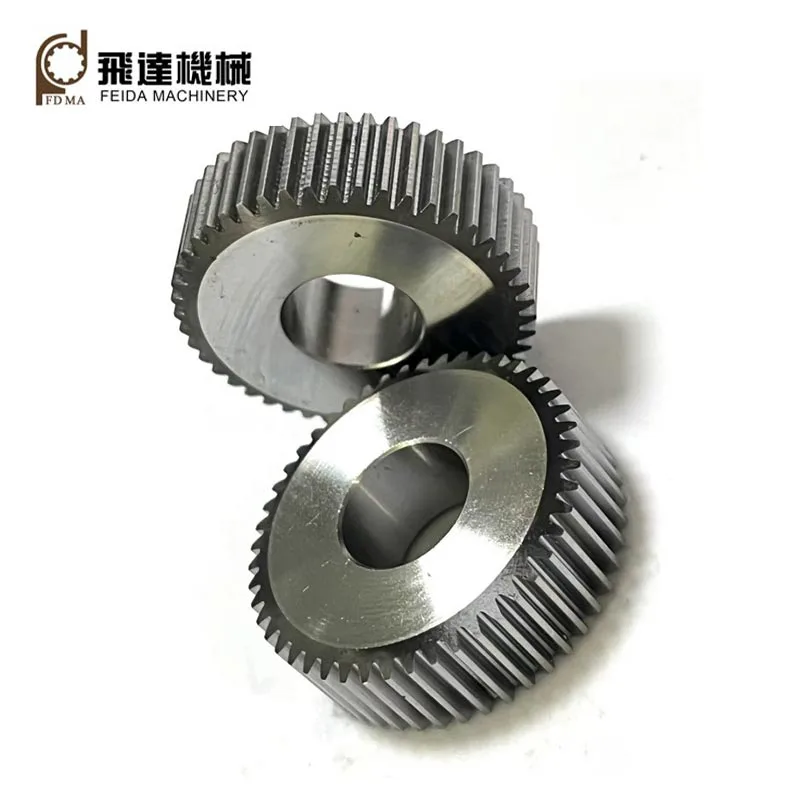
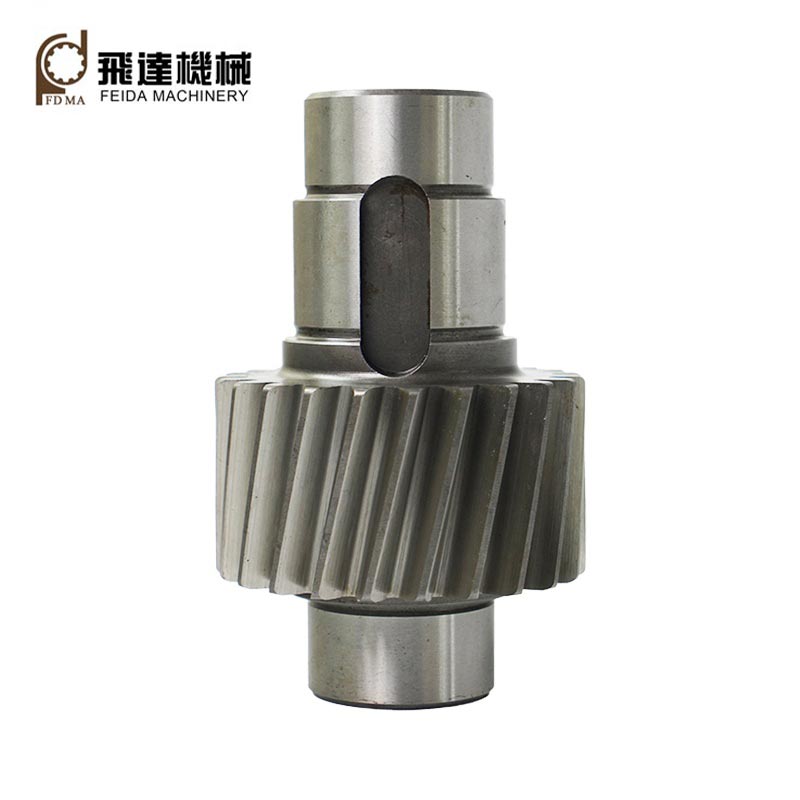
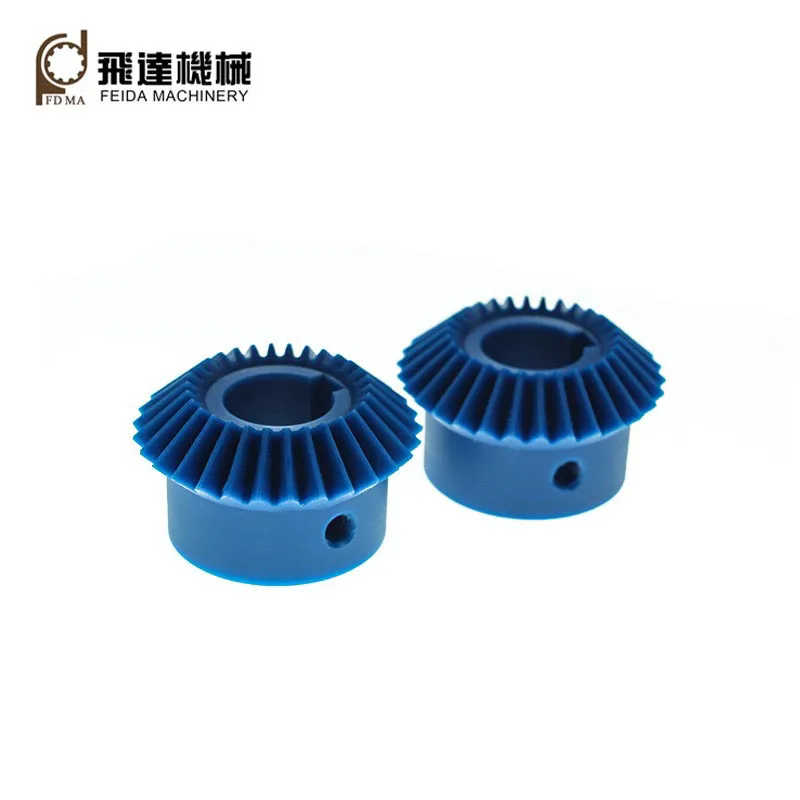
A spur gear is a cylindrical gear with straight teeth positioned parallel to the gear shaft. When two spur gears engage, the teeth directly transfer rotational motion and mechanical force from one shaft to another. Due to their straightforward structure, spur gears are easy to manufacture, inspect, install, and maintain.
Industries including automotive equipment, industrial machinery, robotics, agricultural machines, and automation systems rely heavily on high-quality spur gears. Companies looking for durable transmission components often require gears that provide precision, long service life, and consistent performance under demanding working conditions.
As an experienced manufacturer, Jinjiang Feida Machinery Co., Ltd. provides reliable mechanical transmission solutions designed to meet different industrial requirements.
2. How Do Spur Gears Work?
The operating principle of spur gears is based on direct tooth engagement between two rotating gears. When the driving gear rotates, its teeth push against the teeth of the driven gear, causing the second gear to rotate in the opposite direction.
| Component | Function |
|---|---|
| Gear Teeth | Transfer mechanical force between gears |
| Gear Body | Provides structural support and strength |
| Bore | Connects the gear with a shaft |
| Keyway | Prevents slipping between shaft and gear |
The performance of spur gears depends on several technical factors, including tooth profile accuracy, material selection, lubrication conditions, and manufacturing precision. Proper design ensures smooth operation while minimizing friction, vibration, and premature failure.
3. Why Are Spur Gears Widely Used in Industry?
The popularity of spur gears comes from their balance between performance, cost efficiency, and manufacturing convenience. They provide multiple advantages that make them suitable for various mechanical systems.
- High Transmission Efficiency: Spur gears can achieve excellent power transfer with minimal energy loss.
- Simple Structure: Their uncomplicated design makes production and maintenance easier.
- Accurate Motion Control: Precise tooth engagement enables stable speed and torque transmission.
- Cost Effectiveness: Compared with complex gear systems, spur gears are economical to produce.
- Wide Application Range: They can be customized for different industries and machines.
For manufacturers, choosing the correct spur gear design can significantly reduce equipment downtime, improve operational efficiency, and lower long-term maintenance expenses.
4. Common Applications of Spur Gears
Because of their reliability and versatility, spur gears are used in many industries where accurate mechanical movement is required.
| Industry | Application Examples |
|---|---|
| Automotive | Transmission systems, engine components, mechanical drives |
| Industrial Machinery | Production equipment, conveyors, processing machines |
| Robotics | Motion control systems and precision mechanisms |
| Agriculture | Farm machinery and equipment drive systems |
| Automation | Assembly lines and intelligent manufacturing equipment |
Their ability to provide consistent rotational movement makes spur gears especially valuable in applications requiring predictable performance and easy integration.
5. How to Select the Right Spur Gears?
Selecting suitable spur gears requires careful consideration of operating conditions, mechanical requirements, and environmental factors. Choosing an unsuitable gear can result in excessive noise, accelerated wear, and reduced equipment performance.
- Load Capacity: Evaluate the torque and force requirements of the application.
- Material Selection: Choose materials according to strength, durability, and operating environment.
- Gear Size: Match the diameter, module, and tooth number with the equipment design.
- Precision Grade: Higher precision is necessary for applications requiring smooth operation.
- Operating Speed: Consider rotational speed to avoid excessive vibration and heat generation.
Professional gear manufacturers can help customers analyze their equipment requirements and develop customized solutions that improve overall system performance.
6. Manufacturing Process and Quality Factors
High-performance spur gears require advanced manufacturing processes and strict quality control. Every production stage influences the final durability and operational accuracy.
| Manufacturing Stage | Purpose |
|---|---|
| Material Preparation | Select suitable steel or alloy materials |
| Gear Cutting | Create accurate tooth profiles |
| Heat Treatment | Improve hardness and wear resistance |
| Surface Finishing | Enhance precision and reduce friction |
| Quality Inspection | Ensure dimensional accuracy and reliability |
Factors such as tooth accuracy, surface hardness, and machining tolerance directly influence gear lifespan. Reliable manufacturers apply strict inspection procedures to guarantee consistent product quality.
7. Spur Gears vs Other Gear Types
| Feature | Spur Gears | Helical Gears | Bevel Gears |
|---|---|---|---|
| Tooth Design | Straight teeth | Angled teeth | Conical teeth |
| Efficiency | Very high | High | High |
| Manufacturing Cost | Lower | Higher | Higher |
| Noise Level | Moderate | Lower | Depends on design |
| Maintenance | Simple | Moderate | More complex |
Although other gear types offer advantages in certain applications, spur gears remain an ideal choice when simplicity, efficiency, and cost control are important considerations.
8. Maintenance Tips to Extend Spur Gear Service Life
Proper maintenance helps prevent unexpected failures and extends the operational lifespan of spur gears.
- Use appropriate lubricants to reduce friction and heat.
- Regularly inspect gear teeth for cracks, wear, or deformation.
- Maintain correct alignment between connected shafts.
- Prevent contamination from dust and foreign particles.
- Replace damaged components promptly to avoid further system damage.
A well-maintained gear system can operate more efficiently while reducing repair costs and production interruptions.
9. Frequently Asked Questions
What are spur gears mainly used for?
Spur gears are mainly used for transmitting rotational motion and power between parallel shafts. They are commonly found in industrial machinery, automotive systems, automation equipment, and mechanical devices.
Are spur gears suitable for high-speed applications?
Spur gears can be used in many high-speed applications when properly designed. However, factors such as precision, lubrication, and load conditions must be considered to ensure reliable performance.
What materials are commonly used for spur gears?
Common materials include carbon steel, alloy steel, stainless steel, and specialized engineering materials. The best material depends on load requirements, environmental conditions, and expected service life.
How can I improve spur gear durability?
Improving durability requires selecting high-quality materials, maintaining accurate manufacturing tolerances, applying proper lubrication, and conducting regular inspections.
10. Conclusion
Spur gears continue to play a critical role in mechanical power transmission because of their efficiency, reliability, and practical design. From industrial equipment to precision automation systems, they provide stable performance and cost-effective solutions for various applications.
Choosing the right spur gear supplier is essential for achieving long-term equipment reliability. With professional manufacturing capabilities and strict quality control, Jinjiang Feida Machinery Co., Ltd. delivers dependable spur gear solutions designed for different industrial needs.
If you need customized spur gears with excellent durability, accurate performance, and competitive manufacturing support, please contact us today. Our professional team is ready to provide suitable gear solutions for your mechanical transmission requirements.
Related News
- How Do Spiral Bevel Gears Improve Power Transmission in Demanding Machinery?
- What Makes Sprocket Gears Essential for Reliable Power Transmission?
- How Do Internal Gears Improve Precision and Power Transmission?
- What costly downstream failures stem from overlooked spline‑shaft manufacturing process gaps?
- Why Are Plastic Helical Gears Becoming a Reliable Choice for Modern Mechanical Systems?
- Can in‑house spline production solve machinery OEMs’ costly field‑failure headaches?
Leave me a message