English
- English
- беларускі
- Hrvatski
- Тоҷикӣ
- O'zbek
- Español
- Português
- русский
- Français
- 日本語
- Deutsch
- tiếng Việt
- Italiano
- Nederlands
- ภาษาไทย
- Polski
- 한국어
- Svenska
- magyar
- Malay
- বাংলা ভাষার
- Dansk
- Suomi
- हिन्दी
- Pilipino
- Türkçe
- Gaeilge
- العربية
- Indonesia
- Norsk
- تمل
- český
- ελληνικά
- український
- Javanese
- فارسی
- தமிழ்
- नेपाली
- български
- ລາວ
- Latine
- Қазақша
- Euskal
- Azərbaycan
- Slovenský jazyk
- Lietuvos
- Eesti Keel
- Română
- Slovenski
- Srpski језик

News
Can in‑house spline production solve machinery OEMs’ costly field‑failure headaches?
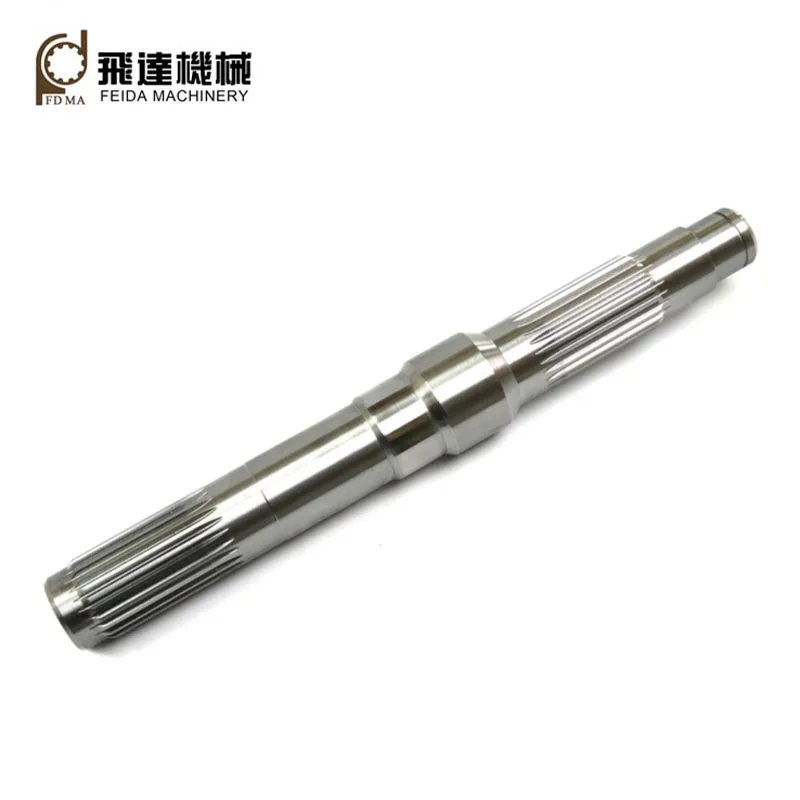
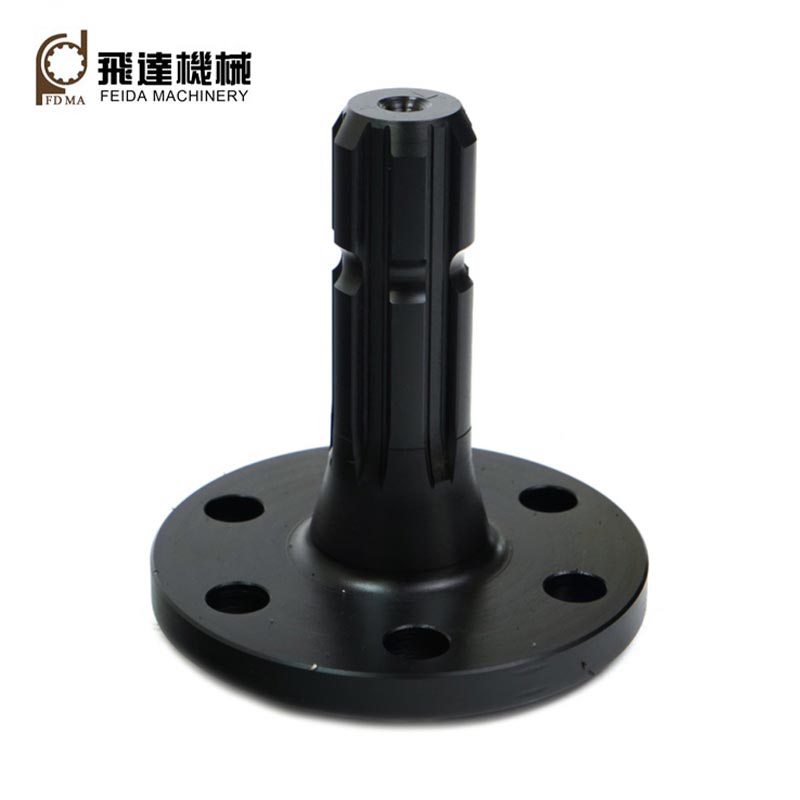
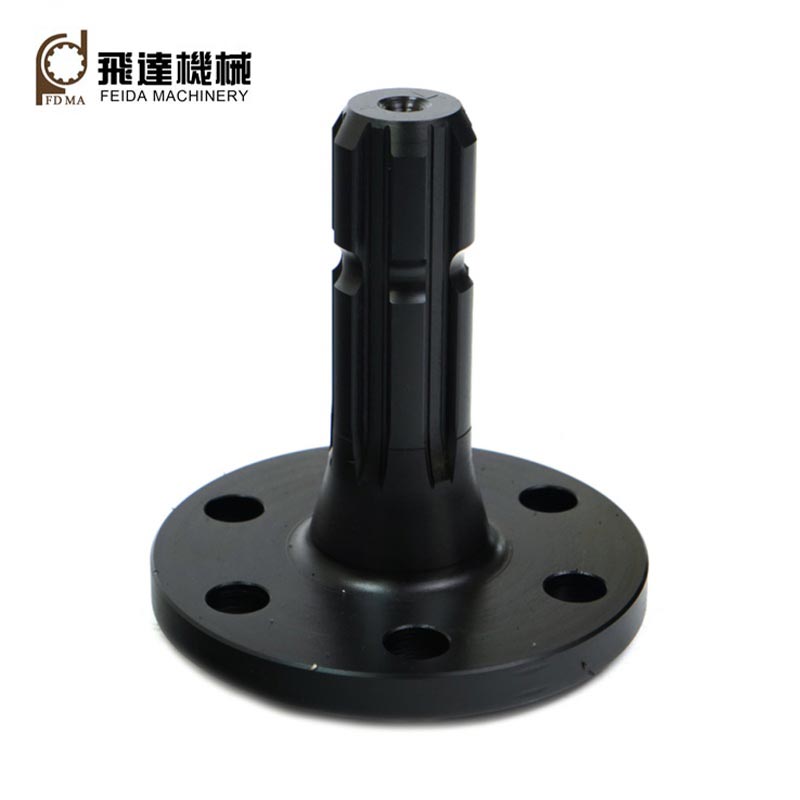
Agricultural equipment and power‑tool OEMs across global markets keep running into costly downstream issues when sourcing rectangular spline shafts from multi‑subcontract supply chains. Outsourced thermal processing brings inconsistent hardness that triggers spline‑tooth fracture under heavy alternating torque. Dispersed turning, hobbing and grinding workflows create unstable flank tolerances that lead to assembly‑line jams and rework. Fragmented production also destroys batch‑level traceability, slowing or halting third‑party supplier audits. Feida keeps forging, spline forming, controlled heat treatment and precision grinding all under one factory roof, holding ISO6‑10 dimensional accuracy while delivering complete process‑traceability documentation, to mitigate premature shaft breakage, assembly downtime and audit delays for international machinery buyers.
1. In‑house heat‑treatment stabilizes hardness and reduces spline‑root fatigue damage
Most third‑party spline suppliers outsource quenching‑tempering work. Unregulated furnace cycles create uneven hardness distribution: tooth surfaces lack wear resistance while shaft cores lose necessary toughness. For tractors working on uneven farmland, repeated shock torque easily spawns root cracks and sudden shaft breakage, resulting in expensive field recalls. Feida operates independent tempering and induction hardening furnaces, locking material‑specific heating‑cooling curves. Every production batch preserves full furnace log data, striking a balanced performance between surface hardness and substrate toughness to lower spline‑fracture probability for heavy‑duty machinery.
2. Synchronized hobbing‑grinding maintains spline‑flank consistency for smooth assembly
When spline rough‑cutting and finish‑grinding are completed at separate workshops, tooth‑parallelism and tooth‑width tolerances drift out of range. During mass production assembly, workers face forced press‑fitting or excessive clearance, dragging down workshop throughput and raising rework expenditure. All rectangular spline forming and post‑hardening finishing run on unified internal CNC equipment, complying strictly with ISO4156 industrial spline standards. Tooth‑flank flatness errors stay within micron‑level limits, enabling smooth fitting with mating sleeves without secondary manual correction for power‑tool and agricultural‑machine assembly plants.
3. End‑to‑end traceability documentation accelerates overseas supplier qualification audits
Decentralized multi‑factory processing cannot merge raw‑material test certificates, heat‑treatment records and CMM inspection reports into unified batch files. Many European and North American machinery brands will freeze supplier review progress without complete traceability packages. Feida stores inspection records covering raw‑material incoming checks all the way to finished‑shaft coordinate measurement. English‑language full‑set audit documents can be released alongside each shipment, removing extra third‑party testing cycles during global supplier‑qualification procedures.
4. Targeted alloy material selection matches diverse torque‑load operating scenarios
Generic single‑grade steel blanks fail to fit differentiated working conditions. Ordinary carbon steel splines wear fast under farm‑site impact and dirt; over‑brittle high‑alloy workpieces tend to crack under frequent start‑stop stress. Material selection follows real‑world equipment‑torque requirements: plain carbon steel for light‑duty power‑tool applications, 40Cr alloy steel for mid‑range agricultural machinery, and non‑ferrous options for low‑noise transmission assemblies. Reasonable material grading extends service life under variable load and environmental conditions.
5. Rich in‑stock tooling cuts lead‑time for custom spline‑shaft prototype development
Numerous spline‑component manufacturers only hold partial‑modulus cutters. Custom non‑standard rectangular splines demand new‑tool fabrication, dragging out R&D verification cycles for new machinery models. Feida maintains a full library of hobbing tools covering M0.5‑M5 modulus scope. Adjustments over tooth quantity, shaft length and outer diameter can be realized without heavy additional tooling expense. Custom sample turnaround stays within 20 working days, helping overseas mechanical‑R&D teams speed up new‑product iteration and market launch schedules.
6. Multi‑layer VCI anti‑rust packaging safeguards precision during long‑haul sea shipment
Simple carton‑only packaging offers poor moisture resistance. Container condensation during tropical‑route maritime transit creates tiny corrosion pits on precise spline flanks, shifting meshing clearance after arrival. According to shaft dimension and order volume, the factory deploys matched protective combinations: VCI anti‑rust paper, cushioning bubble wrap and sealed solid wooden cases. The moisture‑isolating packaging solution protects spline‑tooth geometry, keeping precision stable through long‑distance ocean delivery to overseas buyer warehouses.
Related News
- How Do Spiral Bevel Gears Improve Power Transmission in Demanding Machinery?
- What Makes Sprocket Gears Essential for Reliable Power Transmission?
- How Do Internal Gears Improve Precision and Power Transmission?
- What costly downstream failures stem from overlooked spline‑shaft manufacturing process gaps?
- Why Are Plastic Helical Gears Becoming a Reliable Choice for Modern Mechanical Systems?
- Will full-process integrated gear machining cut overseas reducer manufacturers’ three major hidden procurement losses?
Leave me a message