News

News

High-Precision Gear Processing Solutions for Heavy-Load and High-Speed Operating Conditions

2026-06-17 0 Leave me a message

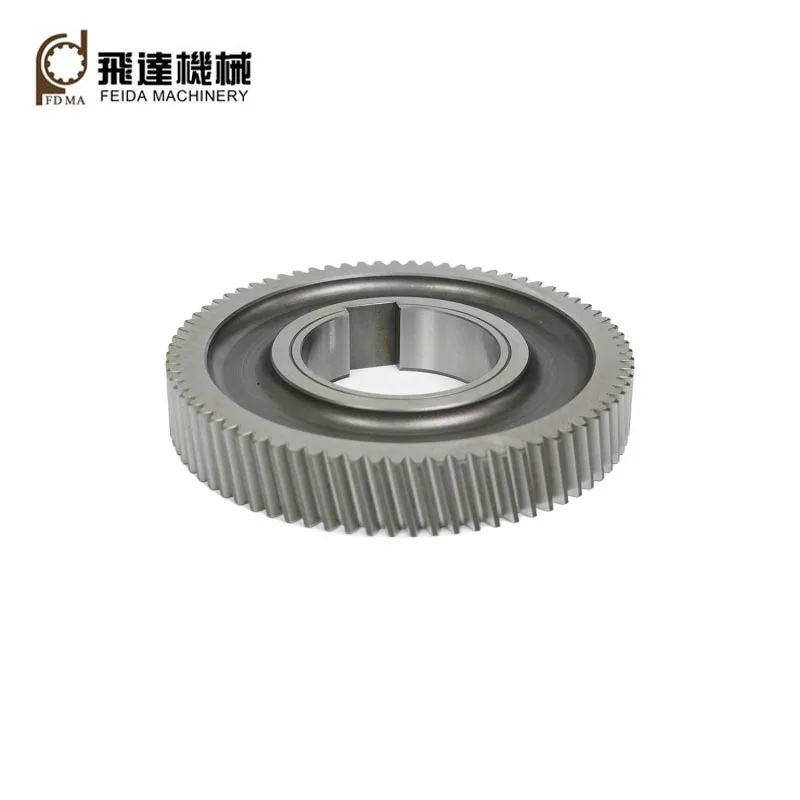
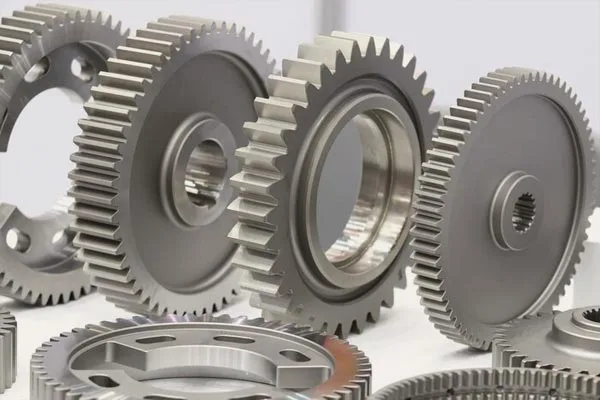
The performance of gear transmission systems centers on coordinated control of tooth profile accuracy, surface hardness, and meshing characteristics. Cylindrical gears, bevel gears, and custom gearboxes require process routes matched to load profiles across construction machinery, agricultural equipment, and industrial automation. Spur and helical cylindrical gears are widely used in parallel-axis drives, where tooth crowning and tip relief effectively reduce meshing impact and noise. Spiral bevel gears suit intersecting-axis transmission, with curved tooth geometry accommodating high torque while maintaining smooth operation.

In material selection, alloy steels such as 20CrMnTi and 42CrMo achieve surface hardness of HRC58-62 after carburizing and quenching, with core toughness maintained in the 30-38 HRC range, balancing wear resistance against tooth breakage. For medium-to-low speed heavy-load applications, shot peening at tooth roots increases compressive residual stress depth, enhancing bending fatigue strength. Grinding, as the key finishing operation, removes heat treatment distortion and corrects profile deviations, holding tooth form tolerances to DIN class 5 or finer, with surface roughness reaching Ra0.8 or lower.

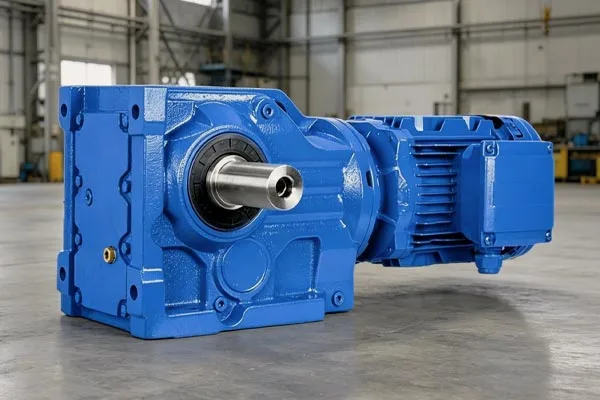
Gearbox integration considers bearing selection, lubrication method, and housing rigidity. Proper placement of oil return channels and breathers helps regulate operating temperatures and extend lubricant change intervals. During assembly, backlash adjustment directly affects transmission backlash and impact response, requiring appropriate clearance values based on actual conditions. Gear measuring centers perform full inspections of pitch cumulative error and lead deviation, ensuring contact pattern distribution on each gear pair meets design expectations.

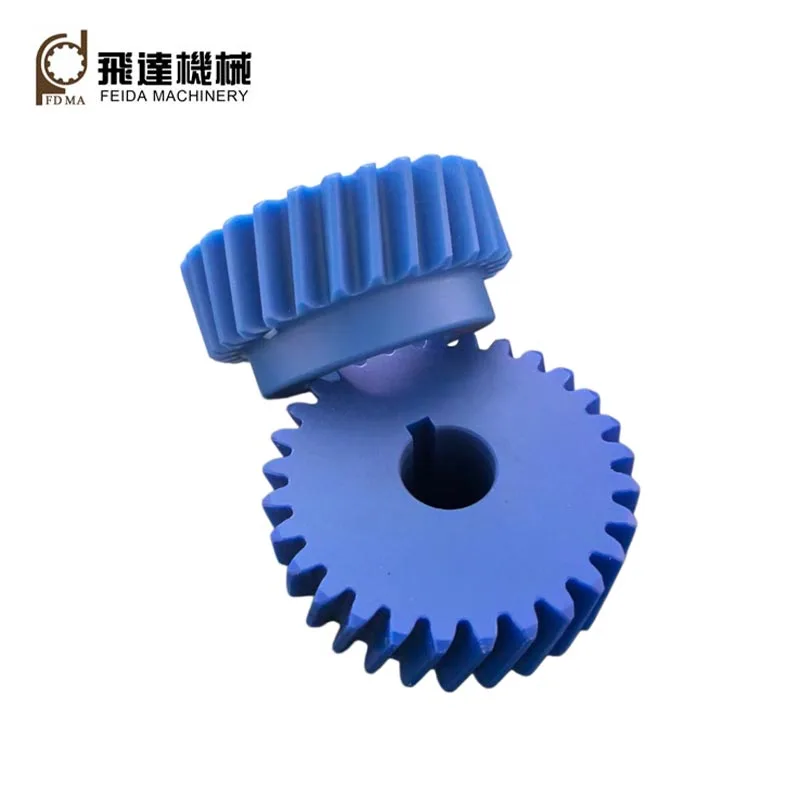
For precision drives in automation equipment, nitrided fine-module gears offer low thermal distortion and high surface hardness, suitable for minimal or no-lubrication environments. Optimizing modification coefficients and contact ratios further reduces envelope size while increasing torque density per unit weight. Multi-process gear processing routes provide flexible combinations of precision and cost for various transmission systems.

Related News
Leave me a message
X
We use cookies to offer you a better browsing experience, analyze site traffic and personalize content. By using this site, you agree to our use of cookies.Privacy Policy
RejectAccept